
Central Bank of Iran adds billions to foreign currency reserves amid sanctions and currency crisis
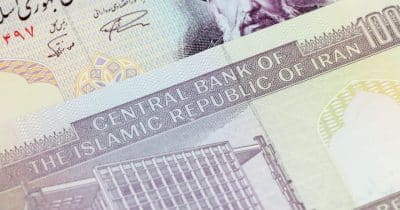
Iran's central bank is accumulating foreign currency reserves while facing severe sanctions and a domestic currency crisis, highlighting the geopolitical vulnerabilities associated with digital assets in sanctioned economies. This development underscores how geopolitical tensions and capital controls directly influence cryptocurrency adoption patterns and global market dynamics.
Iran's efforts to bolster foreign currency reserves amid international sanctions reveal the complex interplay between geopolitical pressures and cryptocurrency adoption. The central bank's reserve accumulation strategy reflects an attempt to stabilize the Iranian rial, which has experienced significant depreciation due to sanctions and capital flight. This situation demonstrates why sanctioned nations view digital assets as potential alternatives to traditional foreign exchange systems, creating unique demand dynamics in global crypto markets.
Historically, Iran has explored cryptocurrency as a mechanism to circumvent sanctions and access international commerce. The current currency crisis intensifies this incentive, as traditional banking channels remain restricted. However, the central bank's simultaneous focus on accumulating conventional reserves suggests cautious, diversified approaches rather than full-scale crypto integration. This hedging strategy reflects broader recognition that digital assets, while useful, cannot entirely replace traditional monetary policy tools.
For crypto markets, Iran's situation exemplifies geopolitical demand that operates independently of technological or regulatory developments. Sanctioned economies consistently drive adoption during periods of currency instability, creating baseline demand that persists regardless of market cycles. However, this also introduces volatility, as sudden shifts in sanctions policy or diplomatic relations can rapidly alter market conditions.
Investors should monitor how other sanctioned nations respond to similar pressures, potentially creating patterns in crypto adoption tied to geopolitical events rather than traditional market factors. The intersection of sanctions, currency crises, and digital asset adoption will likely shape regulatory approaches globally, as policymakers seek to balance financial inclusion with sanctions enforcement objectives.
- →Iran's central bank is accumulating foreign currency reserves while managing a domestic currency crisis exacerbated by international sanctions.
- →Sanctioned economies consistently drive cryptocurrency adoption as an alternative to restricted traditional banking channels.
- →Geopolitical tensions create independent demand dynamics in crypto markets that operate outside typical market cycles.
- →The central bank's dual approach of building reserves while exploring digital assets reflects cautious risk management in unstable environments.
- →Policymakers globally will face increasing pressure to address the intersection of sanctions, financial inclusion, and cryptocurrency regulation.