
Iran asserts sovereignty over Strait of Hormuz, tensions with US rise
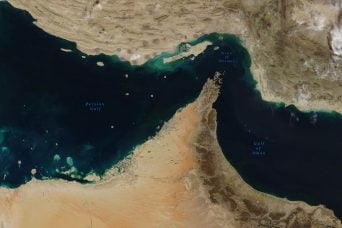
Iran has asserted sovereignty claims over the Strait of Hormuz, escalating tensions with the United States. This development threatens global oil trade flows and challenges established maritime norms, with potential ripple effects across energy markets and broader geopolitical stability.
Iran's assertion of sovereignty over the Strait of Hormuz represents a significant escalation in regional tensions with the United States, directly challenging the established international maritime order. The Strait of Hormuz serves as a critical chokepoint through which approximately 20-30% of global petroleum trade passes, making any disruption to its navigability a matter of international concern beyond the immediate US-Iran bilateral relationship.
This move reflects deepening geopolitical friction stemming from years of escalating sanctions, the collapse of the Joint Comprehensive Plan of Action (JCPOA), and competing strategic interests in the Persian Gulf. Iran has periodically made similar claims, but renewed assertions signal hardening positions on both sides and reduced diplomatic channels for de-escalation.
For energy markets, any credible threat to Strait passage drives oil prices higher, creating inflationary pressure globally. This indirectly affects cryptocurrency markets, as macroeconomic uncertainty typically drives investors toward alternative assets including bitcoin as a hedge against geopolitical risk and currency devaluation. Higher energy costs also impact operational expenses for crypto mining operations, particularly those dependent on traditional power grids.
Monitoring developments hinges on whether Iran takes substantive military or administrative actions to enforce its claims, US response measures, and whether international shipping experiences disruption. Sustained tension could accelerate energy market volatility and capital reallocation toward crypto and commodities as risk-off hedges. The degree of escalation determines whether this remains rhetorical posturing or translates into concrete market-moving incidents.
- →Iran claims sovereignty over Strait of Hormuz, a critical global oil shipping route
- →Geopolitical escalation typically drives investors toward alternative assets including cryptocurrency
- →Approximately 20-30% of global oil trade transits the Strait, making supply disruptions economically significant
- →Higher energy prices from regional tensions increase crypto mining operational costs
- →Market impact depends on whether tensions translate into actual shipping disruptions or remain rhetorical