
Iran closes Strait of Hormuz again, citing Israel’s attacks in Lebanon, and downplays delayed talks with U.S. that will begin in Switzerland
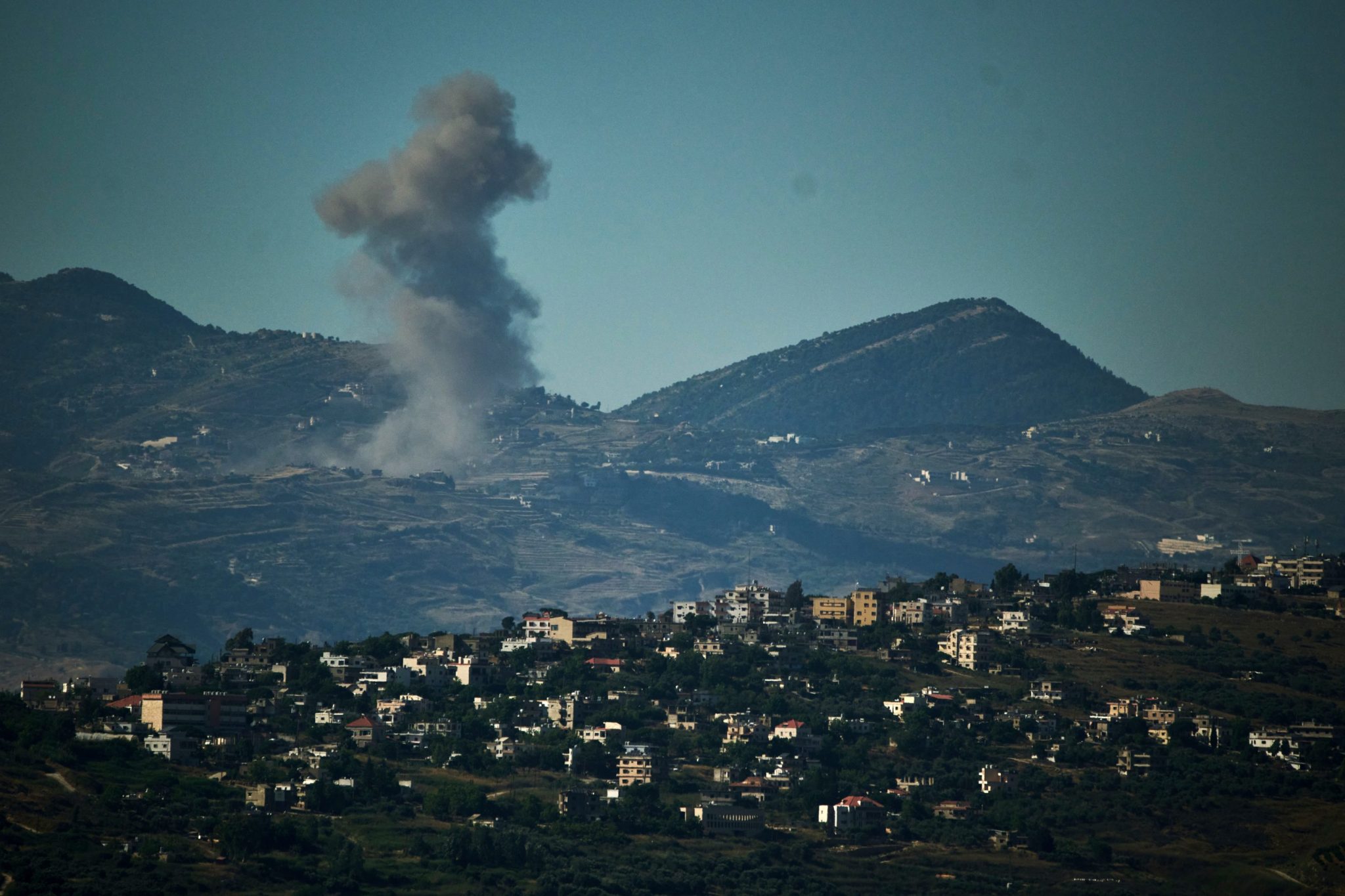
Iran has closed the Strait of Hormuz again, citing Israeli attacks in Lebanon, while downplaying upcoming negotiations with the U.S. scheduled to begin in Switzerland. Iran's statement emphasizes demands that the other side fulfill its obligations, signaling a hardened negotiating posture amid regional escalation.
Iran's closure of the Strait of Hormuz represents a significant escalation in regional tensions tied to the Israel-Lebanon conflict. This action demonstrates how geopolitical friction in the Middle East directly influences energy market stability, a critical factor affecting cryptocurrency and broader financial markets. The strait handles roughly 20% of global oil transit, making Iranian blockade threats historically volatile for crude prices and by extension, inflation expectations that influence crypto valuations.
The timing of this closure alongside delayed U.S.-Iran negotiations in Switzerland reveals Tehran's strategy of combining economic pressure with diplomatic posturing. By linking the strait closure to Israeli actions rather than direct U.S. provocation, Iran signals willingness to use energy leverage while maintaining a negotiation pathway. This mirrors previous cycles where Iran weaponizes chokepoint control during tense periods, creating market uncertainty.
For crypto markets, Middle Eastern geopolitical risk typically drives investors toward perceived safe-haven assets, including Bitcoin and stablecoins, as traditional markets face oil-price shocks and inflation concerns. Energy price spikes from strait disruptions cascade through global supply chains, affecting macro conditions that influence institutional crypto adoption decisions. The delayed talks suggest prolonged uncertainty rather than imminent resolution, perpetuating risk premium dynamics.
Investors should monitor whether these negotiations actually commence and what concessions emerge. If sanctions relief occurs, oil price normalization could reduce safe-haven demand. Conversely, if tensions escalate further with actual strait blockades, energy crisis scenarios could drive sustained crypto inflows as inflation hedges and alternatives to traditional markets facing commodity shock.
- →Iran's Strait of Hormuz closure links to Israel-Lebanon conflict, creating oil market volatility affecting macro conditions for crypto markets.
- →Delayed U.S.-Iran talks in Switzerland suggest prolonged geopolitical uncertainty rather than near-term resolution.
- →Energy price shocks from Middle Eastern disruptions historically strengthen safe-haven crypto demand including Bitcoin.
- →Iran's negotiating stance combines economic leverage with diplomatic channels, creating unpredictable policy outcomes.
- →Sustained regional escalation could trigger oil crisis scenarios driving institutional crypto adoption as inflation hedges.