
Iran closes Strait of Hormuz as US strikes deepen tensions
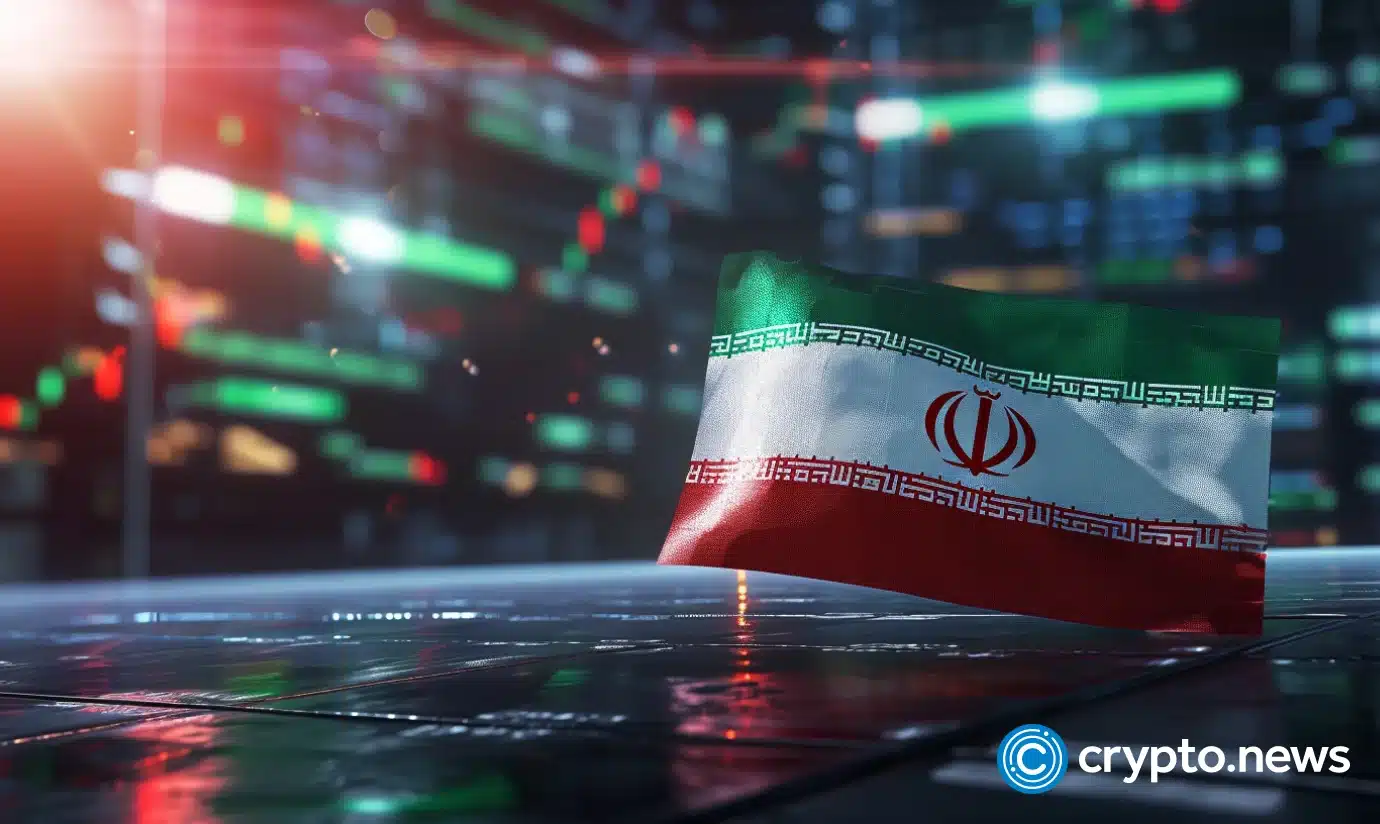
Iran's military command has closed the Strait of Hormuz to all vessel traffic following escalated US attacks, citing security threats. The closure threatens global energy supplies and adds significant geopolitical risk to markets already sensitive to Middle East tensions.
Iran's closure of the Strait of Hormuz represents a major escalation in regional military tensions. The Strait is one of the world's most critical chokepoints, with approximately 20-30% of global seaborne oil passing through it daily. This blockade signals Iran's willingness to weaponize energy infrastructure in response to US military action, fundamentally altering risk calculations for energy markets and broader macroeconomic stability.
The current crisis stems from a broader pattern of US-Iran escalation. Historically, tensions spike around sanctions regimes, nuclear negotiations, and proxy conflicts. This closure suggests diplomatic channels have severely deteriorated, with military posturing replacing negotiation as the primary tool of statecraft. Previous Strait closures or threats have triggered sharp oil price spikes and safe-haven demand for alternative assets.
Cryptocurrency markets typically respond to geopolitical shocks through two mechanisms: flight-to-safety demand for non-state-controlled assets like Bitcoin, and macro uncertainty driving volatility across risk assets. Energy price spikes directly impact mining profitability by increasing operational costs, while broader inflation concerns support long-term crypto narratives around monetary debasement. However, short-term volatility tends to suppress price action as investors reassess broader economic outlooks.
Market observers should monitor whether this closure persists or escalates into broader regional conflict. Key indicators include oil price movements above $90-100 per barrel, shipping insurance costs through the Strait, and any expansion to adjacent waterways. The sustainability of Iranian resolve against potential international pressure, combined with US response options, will determine whether this becomes a temporary standoff or a protracted crisis.
- →Strait of Hormuz closure threatens 20-30% of global seaborne oil supply, creating immediate commodity market risk
- →Geopolitical escalation typically drives Bitcoin demand as non-state asset but increases short-term volatility
- →Higher energy costs directly impact cryptocurrency mining profitability and operational economics
- →Diplomatic breakdown suggests extended tensions rather than quick resolution, prolonging macroeconomic uncertainty
- →Watch oil prices, shipping insurance premiums, and international response measures as leading indicators