
Iran closes Strait of Hormuz for shipping, citing Israel ceasefire violations
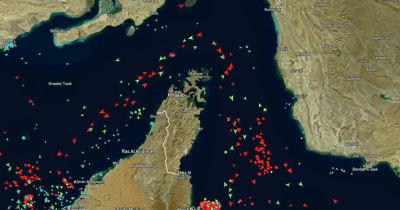
Iran has closed the Strait of Hormuz to shipping in response to alleged Israeli ceasefire violations, a move that threatens global oil supply chains and could increase crude price volatility. The closure may accelerate cryptocurrency adoption in international trade as traditional financial channels face disruption from geopolitical tensions.
Iran's closure of the Strait of Hormuz represents a significant escalation in Middle Eastern tensions tied to the Israeli-Palestinian conflict. The Strait is one of the world's most critical chokepoints, with approximately 20-30% of global seaborne oil passing through it daily. A sustained closure disrupts energy markets and forces buyers to seek alternative supply routes and payment mechanisms, creating friction in traditional finance infrastructure.
This action follows a pattern of escalating regional tensions that have periodically threatened the Strait's accessibility. Previous incidents, including the 2019 tanker attacks and drone strikes, demonstrated how geopolitical flashpoints in the Middle East trigger immediate commodity price spikes and broader macroeconomic uncertainty. The current closure occurs amid ongoing Middle East conflicts that have strained conventional diplomatic and financial channels.
For cryptocurrency markets, shipping disruptions and sanctions-driven financial isolation create demand for alternative settlement mechanisms outside traditional SWIFT systems. Digital currencies enable cross-border trade without reliance on Western-controlled banking infrastructure, positioning crypto as a pragmatic solution rather than speculative asset during periods of international friction. Oil-producing nations and trading partners increasingly explore blockchain-based settlement to circumvent sanctions and payment delays.
Market participants should monitor three developments: duration of the closure, response from major oil consumers, and whether affected nations accelerate cryptocurrency adoption for trade. Crude oil prices typically spike during Strait closures, which can trigger broader inflation concerns and central bank responses that indirectly affect crypto valuations through rate expectations and risk sentiment shifts.
- →Iran's Strait of Hormuz closure disrupts 20-30% of global seaborne oil transit, creating immediate commodity market volatility.
- →Geopolitical friction in oil-producing regions historically accelerates cryptocurrency adoption for cross-border trade settlement.
- →Sanctions and payment channel disruptions strengthen use cases for blockchain-based alternatives to SWIFT banking systems.
- →Energy market instability typically correlates with increased macro uncertainty affecting risk asset prices including crypto.
- →Extended closures could force major oil importers to explore decentralized payment infrastructure for trade continuity.