
Iran shuts down Strait of Hormuz after US military strikes
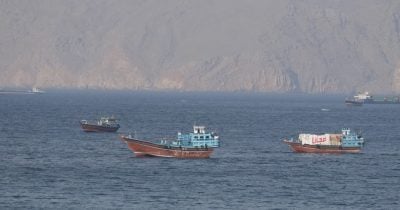
Iran has closed the Strait of Hormuz following US military strikes, escalating geopolitical tensions in a critical global energy chokepoint. This closure threatens prolonged disruptions to energy markets and could create significant economic instability with indirect effects on cryptocurrency and broader financial markets.
The closure of the Strait of Hormuz represents a critical escalation in US-Iran tensions, with substantial implications for global markets. The strait handles approximately 20-30% of the world's seaborne oil trade, making its blockade a direct threat to energy supply chains and commodity prices. This geopolitical flashpoint emerges amid broader regional instability and demonstrates how military conflicts can rapidly destabilize financial markets beyond their immediate geographic scope.
Historically, disruptions to Middle Eastern energy infrastructure have consistently triggered volatility across asset classes. Previous incidents involving sanctions, tanker seizures, and military confrontations created sustained oil price spikes that rippled through equity markets, bonds, and commodities. The current closure follows established patterns of escalating rhetoric and military action that typically precede extended supply disruptions.
For cryptocurrency and digital asset markets, such macroeconomic shocks typically generate flight-to-safety dynamics. Traditional risk-off sentiment often depresses speculative assets like cryptocurrencies as investors liquidate positions to cover losses elsewhere or seek stable value preservation. However, elevated energy costs from disrupted supply chains can increase mining costs for proof-of-work networks, potentially supporting certain digital assets. Energy price volatility also drives institutional investor interest in Bitcoin as an inflation hedge, creating competing market pressures.
The duration and severity of this closure will determine market impact. If resolved quickly, effects may remain localized to oil futures. Extended closure could trigger broader economic recession fears, currency volatility, and significant cryptocurrency market repricing as macro uncertainty increases. Investors should monitor OPEC response strategies, alternative supply commitments, and geopolitical escalation indicators to assess whether this represents temporary disruption or sustained systemic risk.
- →Strait of Hormuz closure threatens 20-30% of global seaborne oil trade, creating immediate energy supply chain risk.
- →Geopolitical escalations historically trigger risk-off sentiment that pressures speculative assets like cryptocurrencies.
- →Extended disruptions could accelerate inflation concerns, supporting Bitcoin as a macro hedge but pressuring broader crypto markets.
- →Energy price spikes increase mining costs for proof-of-work blockchains, creating competing fundamental pressures.
- →Market impact severity depends on closure duration and OPEC's ability to mobilize alternative production capacity.