
Iran re-closes Strait of Hormuz, raising military stakes
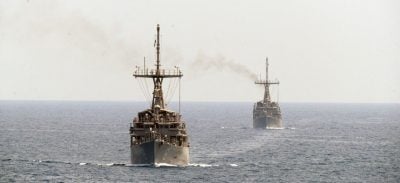
Iran has re-closed the Strait of Hormuz, a critical chokepoint for global oil transit, escalating geopolitical tensions and raising the risk of military confrontation. The closure threatens to disrupt energy markets and global trade, with potential ripple effects across commodity prices and macroeconomic stability.
Iran's closure of the Strait of Hormuz represents a significant escalation in Middle Eastern tensions, directly impacting one of the world's most strategically important maritime passages. Approximately 20-30% of global oil traffic transits through this narrow waterway, making its blockade a potent economic weapon with immediate consequences for energy markets and international commerce.
The Strait of Hormuz has been a flashpoint in US-Iran relations for years, with previous closure threats occurring during periods of elevated sanctions and diplomatic breakdown. Iran's re-closure signals renewed determination to leverage its geographic position as leverage in negotiations or as retaliation for perceived threats. Historical precedent shows such actions typically precede military escalations, drawing responses from US naval forces and regional allies.
Cryptocurrency markets respond dynamically to geopolitical crises affecting oil prices and macroeconomic uncertainty. Energy disruptions historically correlate with commodity price spikes, inflation concerns, and flight-to-safety asset allocation shifts—dynamics that influence crypto market sentiment. Bitcoin and other assets may benefit from perceived safe-haven demand during periods of elevated geopolitical risk, though extreme volatility could trigger liquidations in leveraged positions.
Investors should monitor developments closely for signs of military escalation or diplomatic resolution. Crude oil futures, energy stocks, and macroeconomic indicators provide leading signals for broader market impact. The duration and intensity of the closure will determine whether this becomes a contained political gesture or a sustained disruption affecting global supply chains and inflation expectations throughout 2024.
- →Iran's Strait of Hormuz closure threatens 20-30% of global oil transit and disrupts energy markets.
- →Geopolitical escalation increases military confrontation risk and economic uncertainty.
- →Commodity price spikes from energy disruptions typically trigger crypto volatility and risk-off sentiment.
- →US and regional military responses could further intensify tensions and market instability.
- →Extended closure poses stagflation risks affecting asset allocation across traditional and crypto markets.