
Iran closes Strait of Hormuz, halting ship transit and trapping sailors
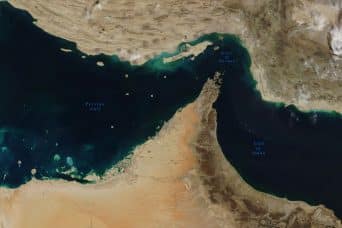
Iran has closed the Strait of Hormuz, blocking maritime transit and trapping vessels in a significant escalation of geopolitical tensions. This blockade threatens global trade flows and energy markets, with potential cascading effects on economic stability and cryptocurrency volatility tied to macro risk sentiment.
Iran's closure of the Strait of Hormuz represents a critical geopolitical flashpoint with far-reaching economic implications. The strait serves as a chokepoint for approximately 20-30% of global petroleum transit, making any disruption to shipping a matter of international concern. This action escalates an already tense regional dynamic and signals a willingness to use economic leverage as a political tool.
The closure emerges from broader U.S.-Iran tensions, including sanctions regimes and nuclear negotiations. Historically, threats to Hormuz have triggered sharp market reactions, as energy supply uncertainty drives inflation expectations and risk-off sentiment across asset classes. Previous incidents involving Iranian tanker seizures and drone confrontations have demonstrated how regional military posturing translates into financial market volatility.
For cryptocurrency markets, geopolitical crises typically produce mixed signals. Risk-off sentiment often pressures speculative assets like crypto, as investors flee to safe havens such as U.S. Treasury bonds and gold. However, prolonged sanctions or supply-chain disruptions can eventually drive inflation expectations, historically supporting alternative stores of value including Bitcoin. Energy price spikes also affect cryptocurrency mining economics, particularly operations dependent on stable electricity costs.
Investors should monitor three developments: resolution timelines for the blockade, broader sanctions escalation, and crude oil price movements above $90 per barrel. Central bank responses to inflationary pressures from energy shocks will ultimately determine crypto market direction. The situation remains fluid, with military intervention or diplomatic breakthroughs both possible within weeks.
- →Iran's Strait of Hormuz closure disrupts ~20-30% of global petroleum transit, threatening energy prices and economic stability.
- →Geopolitical escalation typically triggers risk-off sentiment, pressuring speculative assets like cryptocurrencies in the short term.
- →Prolonged supply disruptions and resulting inflation could eventually support alternative assets and hard money narratives.
- →Energy price spikes directly impact cryptocurrency mining profitability and network economics.
- →Investors should watch crude oil levels, sanctions developments, and central bank inflation responses as key indicators.