
Iran closes Strait of Hormuz after US lifts blockade
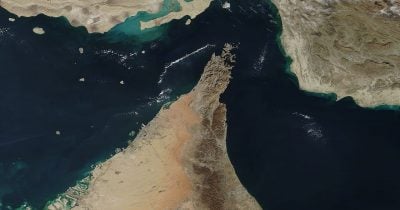
Iran has closed the Strait of Hormuz following the US lifting of a blockade, escalating geopolitical tensions in a region critical to global energy supply. This move creates significant uncertainty in energy markets with potential ripple effects on cryptocurrency and broader economic stability.
Iran's closure of the Strait of Hormuz represents a dramatic escalation in Middle Eastern geopolitical tensions and directly impacts global energy infrastructure. The Strait of Hormuz is one of the world's most critical chokepoints for oil and gas transit, with roughly one-third of all seaborne traded petroleum flowing through its waters. When strategic energy corridors face disruption, commodity prices typically spike, creating inflationary pressures across global markets.
This confrontation stems from ongoing US-Iran tensions regarding naval blockades and sanctions regimes. The sequence of events—US lifting a blockade followed by Iranian retaliation—suggests a tit-for-tat escalation that shows no immediate diplomatic resolution. Historical precedents, including the 1973 oil embargo and multiple Strait closures, demonstrate how regional conflicts translate into macroeconomic shocks affecting currency values, inflation expectations, and risk appetite in financial markets.
For cryptocurrency markets, geopolitical instability typically drives investors toward perceived safe-haven assets. Bitcoin and other cryptocurrencies often benefit during periods of currency debasement and capital controls, particularly in sanctioned economies like Iran. However, the immediate effect depends on whether energy price spikes trigger broader recession fears, which could suppress risk asset demand. Oil price volatility creates uncertainty for institutions evaluating cryptocurrency adoption alongside traditional portfolio hedges.
Market participants should monitor escalation indicators including shipping insurance premiums, crude oil futures, and central bank policy responses. If the closure persists, secondary effects—supply chain disruptions, inflation acceleration, and monetary policy tightening—could reshape cryptocurrency valuations relative to traditional markets over the coming months.
- →Iran's Strait of Hormuz closure threatens approximately one-third of global seaborne oil transit, creating immediate energy market volatility
- →Geopolitical escalation historically drives safe-haven asset demand, potentially benefiting cryptocurrencies as inflation hedges
- →Oil price spikes from supply disruptions could trigger recession concerns, creating mixed signals for risk assets like crypto
- →Regional conflicts typically result in secondary economic effects including supply chain disruption and monetary policy tightening
- →Monitoring shipping costs, crude futures, and central bank communications provides early warning for market-moving developments