
Iran to close Strait of Hormuz, citing US ceasefire agreement failure
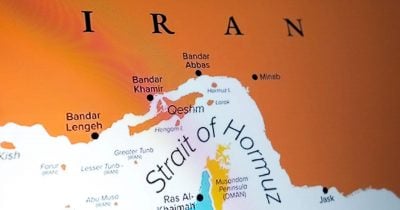
Iran announced plans to close the Strait of Hormuz in response to a failed US ceasefire agreement, a move that threatens global energy security and could trigger significant market volatility. This geopolitical escalation carries direct implications for energy prices, risk assets, and cryptocurrency markets sensitive to macro instability.
Iran's threatened closure of the Strait of Hormuz represents a significant escalation in Middle Eastern tensions following diplomatic breakdown with the United States. The Strait handles approximately 20-30% of global seaborne oil trade, making it one of the world's most critical chokepoints for energy security. A closure would immediately disrupt global energy supply chains, potentially causing oil prices to spike and creating broader macroeconomic uncertainty that ripples through financial markets.
This development emerges from longstanding US-Iran tensions, particularly around nuclear agreements and sanctions. The cited failure of ceasefire negotiations suggests diplomatic channels have deteriorated further, moving the region closer to military confrontation. Historical precedent shows that Middle East conflicts create flight-to-safety dynamics where investors seek alternative assets, traditionally including gold and, increasingly, cryptocurrency as a hedge against geopolitical risk.
For cryptocurrency markets, geopolitical crises typically drive capital toward non-correlated assets and decentralized alternatives to traditional finance. Bitcoin and other major cryptocurrencies often appreciate during periods of elevated geopolitical risk as investors diversify away from government-controlled assets. Energy price shocks simultaneously impact mining economics and institutional risk appetite, creating mixed signals for digital assets.
Market participants should monitor several indicators: oil price movements, US equity market reaction, central bank policy responses, and regional military activity. Any actual closure attempt would likely trigger emergency meetings among major economies and potential retaliatory measures, further amplifying market volatility. The cryptocurrency sector could experience significant inflows if geopolitical tensions sustain elevated risk premiums.
- →Iran's Strait of Hormuz closure threat disrupts 20-30% of global seaborne oil trade, creating acute energy security concerns.
- →Geopolitical escalation typically drives cryptocurrency inflows as investors seek non-correlated hedges against macro instability.
- →Oil price spikes from supply disruption could reduce mining profitability while increasing institutional risk-off demand for digital assets.
- →Diplomatic failure suggests military escalation risk, which historically increases flight-to-safety asset purchases including crypto.
- →Market volatility from this crisis could create both trading opportunities and severe downside risks depending on escalation trajectory.