
Iran’s IRGC Navy closes Strait of Hormuz to all maritime traffic, sending shockwaves through oil and crypto markets
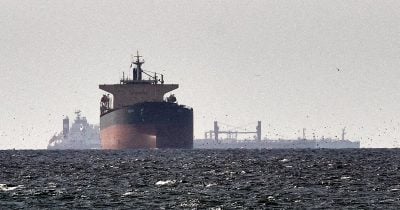
Iran's IRGC Navy has closed the Strait of Hormuz to all maritime traffic, a geopolitical move with significant implications for global oil markets and cryptocurrency adoption. This closure is expected to disrupt energy supplies, trigger oil price volatility, and potentially accelerate crypto's use as an alternative settlement mechanism amid regulatory pressures.
The closure of the Strait of Hormuz represents a critical geopolitical escalation with direct economic consequences. Through which approximately 30% of global seaborne traded oil passes, this waterway's blockade creates immediate supply-side constraints that will ripple through energy markets and broader macroeconomic conditions. The IRGC Navy's action signals heightened regional tensions and demonstrates the vulnerability of traditional maritime infrastructure to political disruption.
Historically, the Strait of Hormuz has been a flashpoint in Iran-Western relations, with previous threats of closure reflecting escalating sanctions regimes and naval posturing. This closure occurs within a context of deteriorating US-Iran relations and regional instability, making it part of a broader pattern of using critical infrastructure as leverage in geopolitical disputes.
Market participants face immediate exposure through elevated oil prices, which typically correlate with cryptocurrency volatility and alternative asset demand. Higher energy costs reduce global liquidity and consumer spending power, pressuring risk assets. Simultaneously, the disruption creates renewed interest in decentralized finance and non-dollar settlement mechanisms, as parties seek to circumvent traditional banking channels affected by sanctions or supply chain disruption.
Investors should monitor oil futures, USD strength, and major crypto correlations closely. Regulatory responses from Western governments may accelerate crypto restrictions or implement capital controls, offsetting any safe-haven demand. The duration of the closure and potential military intervention will determine whether this becomes a sustained market disruptor or a temporary geopolitical event.
- →Strait of Hormuz closure disrupts ~30% of global seaborne oil trade, creating immediate supply constraints and price volatility
- →Geopolitical escalation drives renewed interest in decentralized finance and non-traditional settlement mechanisms
- →Oil price spikes typically reduce liquidity and pressure risk assets including cryptocurrencies
- →Regulatory responses may intensify crypto restrictions as governments address sanctions-evasion concerns
- →Market impact duration depends on closure timeline and potential military intervention or negotiations