
Iran closes Strait of Hormuz, fires on tankers amid US blockade standoff
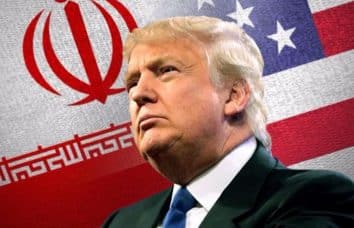
Iran has closed the Strait of Hormuz and reportedly fired on tankers amid escalating US-Iran tensions over a blockade, a critical choke point through which roughly 20% of global oil passes. This geopolitical crisis threatens global energy markets, oil price volatility, and economic stability, with potential ripple effects on cryptocurrency and risk assets.
The closure of the Strait of Hormuz represents one of the most significant geopolitical flashpoints in recent years. As one of the world's most vital maritime chokepoints, the Strait channels approximately one-fifth of global seaborne oil trade. Iran's decision to close the passage and fire on tankers signals a dramatic escalation in the US-Iran standoff, moving beyond diplomatic posturing into direct military action that threatens international commerce.
This conflict stems from decades of US-Iran tension, punctuated by recent sanctions, proxy conflicts, and nuclear negotiations. The blockade referenced in reports appears tied to broader efforts to isolate Iran's economy, but Iran's aggressive response suggests a willingness to weaponize global energy supply as leverage. Historical precedent shows that Strait closures or threats thereof can trigger immediate crude oil price spikes, sometimes exceeding 20-30% in short timeframes.
For cryptocurrency and blockchain markets, geopolitical crises typically create flight-to-safety dynamics. Risk assets generally face selling pressure as investors seek stability, though some view crypto as a hedge against currency devaluation and geopolitical uncertainty. Oil price volatility directly impacts inflation expectations and central bank policy, which influences broader asset valuations including digital assets. Energy-dependent sectors and shipping-related equities face immediate headwinds.
Market participants should monitor escalation trajectories, potential diplomatic breakthroughs, and official responses from major oil importers including China, India, and European nations. Any sustained Strait closure would reshape global energy markets and trigger macroeconomic consequences that reverberate across all asset classes, including cryptocurrency valuations tied to risk sentiment.
- →Iran's Strait of Hormuz closure disrupts ~20% of global oil trade, creating immediate energy market instability and inflation concerns.
- →Direct military engagement (firing on tankers) represents dangerous escalation beyond previous diplomatic tensions in US-Iran relations.
- →Oil price spikes from supply disruption typically compress risk asset valuations, pressuring cryptocurrency and equities simultaneously.
- →Geopolitical crises can trigger flight-to-safety dynamics, benefiting safe-haven assets while straining speculative positions.
- →Sustained blockade scenarios would force global economic adjustment with consequences for inflation, interest rates, and cross-asset correlations.