
Iran closes Strait of Hormuz, blocking over 3,200 ships in major escalation
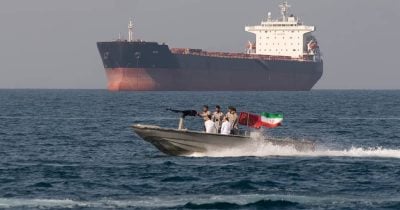
Iran has closed the Strait of Hormuz, blocking over 3,200 ships in a significant geopolitical escalation. The closure threatens global energy market stability and could intensify regional tensions, with potential ripple effects across commodity prices and macroeconomic conditions.
The closure of the Strait of Hormuz represents a critical geopolitical flashpoint with far-reaching economic consequences. Through which approximately 30% of global seaborne oil transits, the strait's blockade creates immediate supply-chain disruptions and energy security concerns that extend well beyond the region. This action signals an escalation in regional tensions, likely driven by broader diplomatic or military conflicts involving Iran and international powers.
Historically, threats to the Strait of Hormuz have triggered volatile reactions across global markets. Previous incidents—including tanker attacks and naval confrontations—demonstrated how maritime chokepoints amplify geopolitical risk premiums. This closure follows years of escalating tensions related to nuclear negotiations, sanctions regimes, and proxy conflicts in the region. The blockade serves as both a tactical move and a strategic signal of Iran's willingness to weaponize critical infrastructure.
For cryptocurrency and broader financial markets, energy price shocks typically correlate with increased macroeconomic uncertainty and inflation concerns. Bitcoin and risk assets often respond to oil price spikes and geopolitical uncertainty, though directional impacts vary depending on whether markets perceive the event as deflationary or stagflationary. The Strait's closure could drive crude oil prices significantly higher, affecting transportation costs, supply-chain inflation, and central bank policy responses—all factors that influence crypto valuations.
Market participants should monitor developments closely, including whether international naval forces intervene, alternative shipping routes stabilize, and whether the closure becomes sustained or brief. Energy prices, currency fluctuations (particularly the dollar), and equity market volatility will likely precede any meaningful cryptocurrency directional moves.
- →Over 3,200 ships are blocked by Iran's Strait of Hormuz closure, threatening 30% of global seaborne oil traffic.
- →Geopolitical escalation increases macro uncertainty, which historically correlates with energy price spikes and inflationary pressures.
- →Cryptocurrency markets may experience volatility as crude oil prices react to supply disruptions and risk-off sentiment.
- →The blockade duration and international response will determine whether impacts are temporary or sustained market dislocations.
- →Energy commodity prices and currency markets will likely move first, with crypto following broader macro shifts.