
Iran’s Khatam al-Anbiya Central Headquarters orders Strait of Hormuz closed to oil tankers
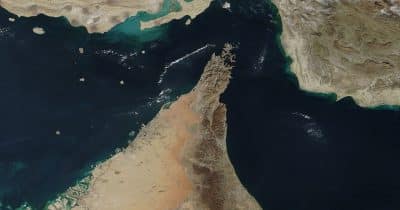
Iran's Khatam al-Anbiya Central Headquarters has ordered the closure of the Strait of Hormuz to oil tankers, a critical chokepoint through which approximately 20-30% of global petroleum passes daily. This geopolitical escalation threatens significant disruption to energy markets worldwide, with potential ripple effects across financial systems and cryptocurrency volatility.
The reported closure of the Strait of Hormuz represents a major geopolitical escalation with far-reaching economic consequences. The Strait remains one of the world's most strategically vital maritime passages, serving as the primary export route for Middle Eastern crude oil. Any sustained blockade would immediately constrain global energy supply, creating upward pressure on crude prices and triggering broader market instability.
This action reflects escalating tensions in the Middle East, likely tied to ongoing sanctions disputes and regional conflicts. Iran has previously threatened Strait closures as a retaliatory measure against international pressure, though implementation remains rare due to international naval presence and potential military consequences. The timing and credibility of this announcement require verification, as rhetoric occasionally exceeds actual operational capability.
Crypto and financial markets respond acutely to energy shocks. Oil price spikes typically correlate with inflation concerns, currency volatility, and risk-off sentiment that can depress risk assets including cryptocurrencies. Bitcoin and other crypto holdings are often viewed as hedges against geopolitical instability, potentially attracting defensive capital flows during supply-chain disruptions. Conversely, recession fears stemming from energy price shocks can suppress risk appetite broadly.
Investors should monitor developments closely for confirmation of actual implementation versus rhetorical posturing. Any sustained blockade would trigger emergency responses from the U.S. Navy and international coalition partners, potentially escalating the situation further. Energy futures markets provide real-time pricing signals, while crypto volatility indices offer insight into broader market stress levels.
- →The Strait of Hormuz closure would disrupt 20-30% of global daily oil flows, creating immediate energy supply constraints.
- →Oil price spikes from geopolitical shocks typically trigger inflation fears and risk-off market sentiment affecting cryptocurrencies.
- →Iran has issued similar threats historically; verification of actual implementation remains critical before assessing true market impact.
- →Bitcoin and defensive crypto positions may benefit from safe-haven flows during sustained geopolitical uncertainty.
- →Military responses from international naval forces could escalate tensions beyond the initial blockade announcement.