
Iran closes Strait of Hormuz again amid Israeli attacks in Lebanon, oil prices spike
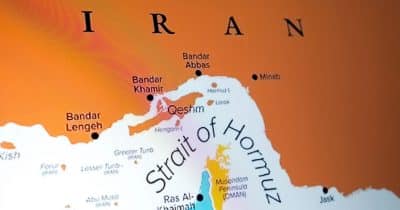
Iran has closed the Strait of Hormuz in response to Israeli military operations in Lebanon, triggering a sharp spike in global oil prices. This geopolitical escalation disrupts critical energy supply chains and historically drives investors toward alternative assets like cryptocurrencies.
The closure of the Strait of Hormuz represents a critical flashpoint in Middle Eastern geopolitics with immediate ripple effects across global markets. As one of the world's most strategically important waterways, the strait handles approximately 20-30% of global maritime petroleum trade, making its blockade a severe supply shock. Iran's action directly responds to escalating Israeli military pressure in Lebanon, signaling a dangerous escalation in regional hostilities that extends beyond bilateral disputes into broader energy security concerns.
This incident reflects a pattern of recurring tensions in the region, where previous closures have historically triggered volatile price swings in oil markets. The current escalation follows months of simmering conflict, and Iran's blockade demonstrates its willingness to weaponize energy infrastructure during military standoffs. These geopolitical shocks typically create uncertainty that extends well beyond petroleum markets.
Oil price spikes directly impact macroeconomic conditions and investor sentiment. Higher energy costs fuel inflation concerns, reduce corporate profit margins, and increase economic uncertainty—conditions that historically strengthen cryptocurrency demand as a hedge asset. Investors facing currency devaluation risks and supply chain disruptions often turn to decentralized, border-agnostic assets like Bitcoin and Ethereum. Additionally, elevated oil prices support the relative value proposition of energy-intensive alternatives to traditional finance.
Market observers should monitor escalation indicators, potential military responses, and diplomatic efforts to reopen shipping lanes. Any sustained closure would pressure global growth forecasts and likely accelerate institutional cryptocurrency adoption as a portfolio diversification strategy amid macro uncertainty.
- →Iran's Strait of Hormuz closure disrupts 20-30% of global maritime oil trade, creating immediate supply shock dynamics.
- →Oil price spikes typically increase cryptocurrency demand as investors seek inflation hedges and alternative stores of value.
- →Geopolitical escalation in the Middle East introduces macro uncertainty that strengthens the case for decentralized assets.
- →Previous strait closures have preceded sustained crypto market rallies driven by macro instability.
- →Duration and diplomatic resolution of the blockade remain critical variables for energy markets and risk asset allocation.