
Iran asserts control over Strait of Hormuz, accuses Europe of hypocrisy
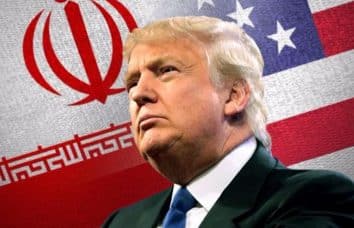
Iran claims control over the Strait of Hormuz and accuses European nations of diplomatic hypocrisy, escalating geopolitical tensions in a critical global trade route. This assertion complicates international negotiations and raises risks of military confrontation, with potential implications for energy markets and global economic stability.
Iran's assertion of control over the Strait of Hormuz represents a significant escalation in Middle Eastern geopolitical tensions. The strait serves as one of the world's most critical chokepoints for global energy trade, with roughly one-third of seaborne oil passing through its waters daily. Iran's control claim directly challenges the international order and Western naval presence in the region, while accusations of European hypocrisy suggest diplomatic channels are deteriorating rather than improving.
This development emerges amid broader tensions over Iran's nuclear program, international sanctions, and the collapse of the Joint Comprehensive Plan of Action (JCPOA). Iran's aggressive posture reflects frustration with perceived Western inconsistency in upholding agreements and supporting Iran's interests. The timing coincides with ongoing regional instability, including Houthi attacks on shipping and broader proxy conflicts.
For cryptocurrency and financial markets, geopolitical flashpoints in the Middle East traditionally trigger flight-to-safety behavior, benefiting assets like Bitcoin and gold. Energy price volatility stemming from Strait of Hormuz tensions can ripple through global markets, affecting inflation expectations and central bank policy—factors that indirectly impact crypto valuations. Oil price spikes reduce risk appetite across alternative assets, while prolonged uncertainty supports defensive positioning.
Investors should monitor escalation indicators including military posturing, shipping incidents, and diplomatic statements. A genuine military confrontation could trigger significant market dislocations across equities, commodities, and cryptocurrencies. The crypto market's decoupling from traditional assets remains imperfect, particularly during systemic shocks.
- →Iran claims control over Strait of Hormuz, a critical global oil shipping route, escalating Middle East tensions.
- →Geopolitical crises in strategic chokepoints historically trigger flight-to-safety investment behavior favoring defensive assets.
- →Energy market volatility from regional conflicts can increase inflation concerns and impact cryptocurrency valuations.
- →Deteriorating diplomatic rhetoric between Iran and Europe suggests negotiation channels are weakening rather than strengthening.
- →Traders should monitor shipping incidents and military activity as early warning signals for broader market disruption.