
Iran crisis disrupts Strait of Hormuz, insurance withdrawal impacts shipping
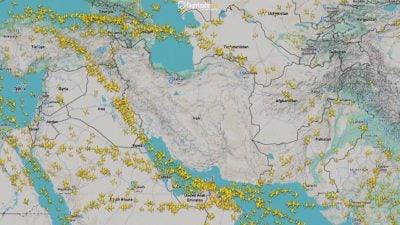
Disruptions in the Strait of Hormuz triggered by Iran tensions are forcing insurance companies to withdraw coverage from shipping routes, creating significant vulnerabilities in global energy supply chains. This geopolitical crisis threatens to reshape international trade patterns and could have ripple effects across commodity markets and cryptocurrency volatility.
The Strait of Hormuz represents one of the world's most critical chokepoints for energy commerce, with approximately one-third of global seaborne oil passing through its waters daily. When insurance providers withdraw from routes due to heightened geopolitical risk, shipping becomes prohibitively expensive or impossible, effectively restricting trade flow. This creates cascading effects throughout global markets as energy prices become volatile and supply uncertainty increases.
Historically, Middle Eastern tensions have driven cryptocurrency adoption as investors seek hedges against currency devaluation and inflation resulting from energy shocks. The current crisis follows decades of escalating Iran-related sanctions and regional proxy conflicts, making insurance withdrawal a tangible escalation rather than mere rhetoric. Shipping companies now face existential decisions about rerouting around the Cape of Good Hope, adding weeks to transit times and substantially raising operational costs.
For crypto and broader financial markets, this disruption acts as an inflationary pressure point. Energy cost increases ripple through economies, potentially weakening fiat currencies and driving institutional interest in non-correlated assets. Bitcoin and other cryptocurrencies typically experience price appreciation during periods of geopolitical uncertainty and currency instability. Investors should monitor crude oil futures and shipping indices as leading indicators of market stress.
The longer-term implication involves structural changes to trade infrastructure. Countries and companies may diversify shipping routes, invest in alternative energy sources, or develop blockchain-based solutions for trade finance to bypass traditional insurance markets. The crisis underscores how geopolitical events create sustained demand for decentralized financial instruments.
- →Insurance withdrawal from the Strait of Hormuz makes shipping prohibitively expensive and disrupts energy supply chains
- →Historical precedent shows Middle Eastern crises typically increase cryptocurrency adoption as inflation hedges
- →Rerouting around the Cape of Good Hope adds weeks to transit times and significantly raises shipping costs
- →Energy price volatility from supply disruptions creates inflationary pressure on global markets
- →Long-term structural changes may accelerate adoption of decentralized trade finance solutions