
Trump believes Iran’s supreme leader approved deal with US, and crypto markets are paying attention
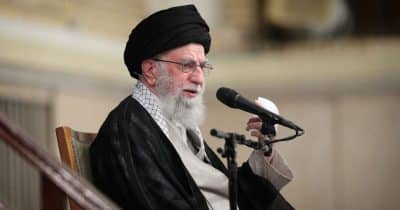
Former President Trump claims Iran's supreme leader has approved a potential deal with the US, a development that could reshape geopolitical tensions and have cascading effects on global financial markets. The outcome of these diplomatic negotiations will significantly influence oil prices and cryptocurrency markets, which remain sensitive to macroeconomic shifts stemming from international conflicts and sanctions regimes.
Geopolitical developments involving major oil-producing nations directly influence cryptocurrency markets through multiple transmission channels. Oil price volatility affects inflation expectations, which in turn shape Federal Reserve policy and broader risk sentiment across asset classes including digital currencies. A US-Iran agreement would reduce geopolitical risk premiums embedded in commodity prices, potentially lowering energy costs and moderating inflation concerns that have constrained crypto valuations throughout recent years.
The historical context matters significantly here. Tensions between the US and Iran have repeatedly triggered market disruptions, with sanctions regimes affecting global trade and capital flows. Previous rounds of nuclear negotiations have created periods of heightened uncertainty followed by relief rallies across risk assets. Trump's assertion regarding Iran's leadership approval suggests movement toward a breakthrough, though diplomatic negotiations remain notoriously fragile and subject to sudden reversals.
Crypto markets are attuned to this development because macroeconomic stability directly impacts institutional adoption and retail sentiment. Reduced geopolitical risk typically strengthens the US dollar and moderates safe-haven flows, potentially shifting capital allocation away from volatility hedges like Bitcoin toward traditional growth assets. Conversely, failed negotiations could spike oil prices and inflation concerns, supporting crypto's narrative as inflation protection.
Investors should monitor three key indicators: formal agreement announcements from Iranian officials, oil price movements reflecting market confidence levels, and Federal Reserve communications about inflation expectations. The crypto market's response will likely mirror broader risk-asset sentiment, with Bitcoin and altcoins gaining if geopolitical tensions genuinely ease or declining if negotiations collapse unexpectedly.
- →A US-Iran deal would reduce geopolitical risk premiums affecting oil prices and macroeconomic stability
- →Cryptocurrency markets respond to international conflicts through inflation expectations and Federal Reserve policy implications
- →Diplomatic breakthroughs typically trigger risk-asset rallies, potentially benefiting equities over safe-haven crypto flows
- →Negotiations remain fragile and subject to reversal, creating uncertainty that historically creates volatility in crypto markets
- →Oil price movements and Fed inflation expectations are the primary channels through which geopolitics impact digital asset valuations