
Iran mocks EU diplomat’s call to reopen Strait of Hormuz amid tensions
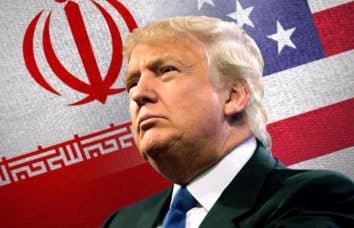
Iran has mocked an EU diplomat's call to reopen the Strait of Hormuz, intensifying geopolitical tensions that threaten to disrupt one of the world's most critical shipping routes. The escalating standoff risks prolonging global logistical challenges and could significantly impact trade flows and cryptocurrency market stability.
The Strait of Hormuz represents a critical chokepoint for global energy and trade infrastructure, with approximately 21% of world petroleum passing through its waters daily. Iran's defiant response to diplomatic overtures signals deteriorating communication channels between Tehran and Western powers, suggesting a prolonged period of elevated geopolitical risk. This confrontation reflects deeper frustrations over sanctions regimes and nuclear negotiations rather than a temporary diplomatic disagreement.
Geopolitical tensions in the Middle East have historically created market volatility across multiple asset classes. The prospect of restricted Hormuz access drives oil price volatility, which creates downstream effects on transportation costs, inflation expectations, and broader macroeconomic conditions. Cryptocurrency markets, particularly Bitcoin and Ethereum, often respond to geopolitical risk as investors seek alternative stores of value during periods of uncertainty.
For cryptocurrency investors and traders, prolonged Middle East tensions typically correlate with safe-haven asset accumulation and increased portfolio hedging strategies. Supply chain disruptions from potential Hormuz blockades could increase institutional demand for digital assets as alternative settlement mechanisms outside traditional banking systems. The energy sector disruption could also trigger shifts in capital allocation toward blockchain-based alternatives and crypto markets as investors hedge against conventional market volatility.
Monitoring diplomatic developments remains essential, particularly statements from Iranian leadership and responses from international maritime coalitions. Any escalation toward actual shipping restrictions would likely trigger immediate crypto market responses, while de-escalation signals could reduce safe-haven demand. The situation underscores how geopolitical risk propagates through interconnected global systems.
- →Iran's defiant stance toward EU diplomatic efforts signals prolonged geopolitical tensions affecting critical global shipping routes.
- →Strait of Hormuz disruptions threaten oil supplies and could trigger broader macroeconomic volatility affecting crypto markets.
- →Safe-haven asset demand typically increases during Middle East tensions, potentially benefiting cryptocurrency as alternative value stores.
- →Supply chain disruptions from potential Hormuz restrictions could accelerate adoption of blockchain-based settlement mechanisms.
- →Investors should monitor diplomatic communications as potential circuit-breaker events for market volatility.