
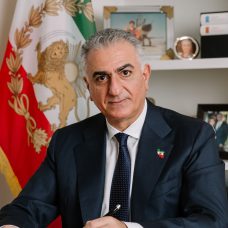
Iran has postponed the burial of Supreme Leader Khamenei amid concerns about potential airstrikes, signaling internal regime instability and raising questions about leadership continuity. The decision reflects heightened geopolitical tensions and potential power dynamics shifts within Iran's governance structure.
The postponement of Khamenei's burial represents a significant moment of institutional vulnerability within Iran's government. The decision to delay what would normally be a state ceremony underscores the regime's assessment of immediate security threats, likely stemming from escalating regional tensions and the possibility of military strikes. This action reveals the calculus of Iran's leadership balancing ceremonial obligations against operational security concerns.
Geopolitically, this development reflects broader Middle Eastern instability characterized by rising U.S.-Iran tensions, Israeli military actions, and proxy conflicts across the region. The uncertainty surrounding Iran's power structure has historical precedent—leadership transitions in authoritarian regimes often create vacuums that destabilize regional dynamics and trigger market-moving events.
For cryptocurrency and digital asset markets, geopolitical crises typically trigger flight-to-safety dynamics. Investors historically move capital toward Bitcoin and other cryptocurrencies during periods of regional conflict or political uncertainty, viewing them as hedges against currency devaluation and capital controls. Iran's own history of cryptocurrency adoption as a sanctions-evasion tool makes this particularly relevant. The regime's instability could accelerate crypto adoption domestically while simultaneously creating volatility in broader markets due to risk-off sentiment.
The coming weeks will be critical for observing whether the postponement signals imminent military action or merely reflects precautionary measures. Any escalation in the region could trigger significant cryptocurrency market movements and increased regulatory scrutiny on Iran-related transactions. Investors should monitor geopolitical developments closely as they correlate with macro market movements.
- →Iran's postponement of Khamenei's burial indicates regime-assessed security threats from potential airstrikes
- →Leadership uncertainty in authoritarian regimes historically correlates with cryptocurrency market volatility and flight-to-safety dynamics
- →Regional instability may accelerate crypto adoption in Iran as a sanctions-evasion and capital-preservation mechanism
- →Geopolitical escalation typically triggers broader market risk-off sentiment affecting digital assets
- →Ongoing developments require monitoring for potential military escalation and regulatory responses