
Iran ties Strait of Hormuz reopening to $12B assets, oil waivers, Israel exit
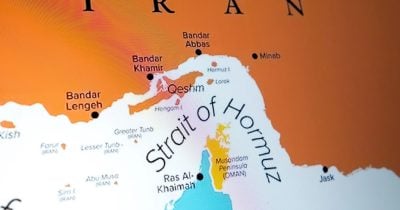
Iran has made significant demands for reopening the Strait of Hormuz, including $12 billion in unfrozen assets, oil export waivers, and Israeli withdrawal from the region. These conditions could escalate Middle Eastern tensions and create substantial disruptions to global oil supplies, with ripple effects across energy markets and broader geopolitical stability.
Iran's conditional demands for Strait of Hormuz access represent a critical inflection point in regional negotiations with direct implications for global energy markets. The Strait, through which approximately 21% of the world's petroleum passes, serves as a chokepoint whose closure or restriction threatens immediate supply shocks. Iran's linkage of reopening to three distinct demands—financial sanctions relief, oil trade exceptions, and geopolitical concessions regarding Israel—signals a strategy to leverage its geographic position for maximum negotiating advantage while addressing its economic isolation.
This situation reflects the continuation of broader U.S.-Iran tensions that intensified following the 2018 nuclear deal withdrawal and subsequent maximum pressure sanctions. Iran's accumulated frozen assets and oil export restrictions have severely constrained its economy, making financial recovery central to its negotiating posture. The addition of Israeli withdrawal demands injects the Israeli-Palestinian conflict into what was primarily an Iran-Western powers dispute, complicating resolution pathways.
For cryptocurrency and energy markets, sustained Strait closure would trigger oil price volatility that historically correlates with defensive positioning in crypto assets. Investors typically view geopolitical supply shocks as macro uncertainty catalysts that can either drive safe-haven flows into alternative assets or create broader risk-off conditions depending on perceived severity. Energy costs also impact mining operations and blockchain infrastructure running costs.
Monitoring requires tracking diplomatic communications, any military movements near the Strait, and OPEC+ responses regarding emergency supply releases. Resolution speed remains uncertain, making this a sustained risk factor rather than an immediate crisis trigger.
- →Iran demands $12B in unfrozen assets, oil export waivers, and Israeli withdrawal to reopen the Strait of Hormuz
- →The Strait handles ~21% of global petroleum transport, making closure a significant energy supply risk
- →Oil price volatility from supply disruptions typically creates defensive cryptocurrency positioning
- →Resolution complexity increased by linking regional geopolitics to economic sanctions relief
- →Traders should monitor diplomatic channels and OPEC+ responses for market impact signals