
Iran demands accountability for US-Israeli actions amid diplomatic tensions
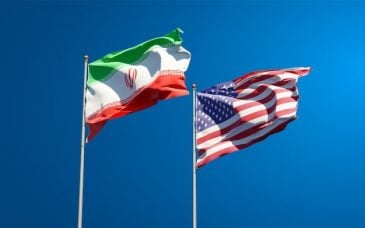
Iran has escalated demands for accountability regarding US-Israeli military actions, intensifying regional diplomatic tensions. This geopolitical friction could destabilize markets and complicate international relations, with potential ripple effects on global economic conditions and cryptocurrency volatility linked to macroeconomic uncertainty.
Iran's call for accountability represents a significant escalation in Middle Eastern tensions, particularly concerning US-Israeli coordination. The demand emerges from a pattern of military confrontations and covert operations that have characterized US-Iran-Israel relations for decades. This latest development signals deepening hostility rather than de-escalation, with Iran using public accountability demands as both a domestic political tool and international pressure mechanism.
Historically, regional tensions correlate with broader geopolitical risk premiums affecting global markets. Previous Iranian escalations have triggered oil price spikes, currency volatility, and risk-off sentiment across asset classes. The current standoff reflects structural Middle Eastern dynamics exacerbated by sanctions regimes, proxy conflicts, and competing regional interests. Iran's insistence on accountability—rather than negotiation pathways—suggests hardline factions maintain influence over diplomatic strategy.
For cryptocurrency and broader financial markets, heightened geopolitical uncertainty typically increases demand for safe-haven assets and volatility hedges. Bitcoin and gold historically benefit from geopolitical crises as investors reduce exposure to traditional assets. However, sustained regional conflict could dampen risk appetite overall, affecting speculative crypto trading volumes and venture capital deployment in emerging markets.
Market participants should monitor escalation indicators including military posturing, sanctions announcements, and OPEC production decisions. If tensions continue intensifying, expect increased volatility in energy markets and defensive positioning across risk assets. The intersection of geopolitical risk and macroeconomic conditions will likely shape crypto market dynamics in coming weeks.
- →Iran's accountability demands signal hardening positions rather than diplomatic progress in regional tensions.
- →Middle Eastern geopolitical escalation historically triggers safe-haven demand and increased cryptocurrency volatility.
- →Oil market sensitivity to Iran tensions creates secondary effects on broader financial asset valuations.
- →Sustained conflict rhetoric could reduce risk appetite and speculative investment in emerging technologies.
- →Investors should monitor sanctions announcements and military developments as leading indicators of market impact.