
Iran closes Strait of Hormuz, demands Bitcoin and stablecoin payments for vessel transit
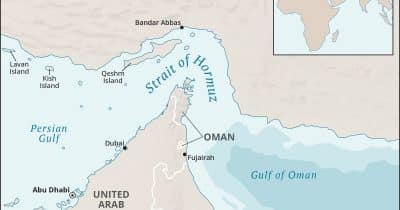
Iran has closed the Strait of Hormuz and is demanding Bitcoin and stablecoin payments for vessel transit, a move that could destabilize global energy markets and significantly increase cryptocurrency's role in geopolitical tensions while circumventing Western financial sanctions.
Iran's demand for cryptocurrency payments at the Strait of Hormuz represents a strategic escalation in using digital assets as a tool to evade international financial restrictions. The Strait of Hormuz handles approximately 21% of global petroleum traffic, making this closure a critical leverage point for disrupting energy supplies and global markets. By explicitly requesting Bitcoin and stablecoins rather than traditional currencies, Iran signals its intent to bypass SWIFT systems and traditional banking channels that enforce Western sanctions.
This action reflects a broader pattern where sanctioned nations increasingly adopt cryptocurrency infrastructure to maintain international commerce. Iran has previously explored crypto adoption to circumvent oil embargoes, but direct government use of digital assets for critical infrastructure tolls escalates the precedent significantly. The move exposes cryptocurrency's growing utility in geopolitical maneuvering beyond its original use case as decentralized digital money.
For cryptocurrency markets, this development carries mixed implications. It validates crypto's role in cross-border transactions and sanctions evasion, potentially increasing institutional and governmental adoption. However, it also intensifies regulatory scrutiny from Western governments seeking to prevent their sanctions from being circumvented through digital assets. Energy markets face immediate volatility risk from the Strait closure, which typically triggers flight-to-safety behavior across risk assets, including crypto. Investors should monitor whether other sanctioned nations adopt similar tactics and how Western regulators respond with enhanced KYC requirements or stablecoin restrictions.
- →Iran's Strait of Hormuz closure and crypto payment demand signals cryptocurrency's emerging role in geopolitical sanctions avoidance strategies
- →The move threatens to destabilize global energy markets since the strait handles 21% of world petroleum transit
- →Western regulators will likely intensify stablecoin oversight and enhanced compliance measures in response to this precedent
- →Cryptocurrency markets may experience volatility from both energy market disruption and increased regulatory pressure
- →This demonstrates how sanctioned nations are actively weaponizing blockchain infrastructure to circumvent traditional financial sanctions