
Ship struck in Strait of Hormuz as naval authorities raise threat level, Iran demands Bitcoin for transit fees
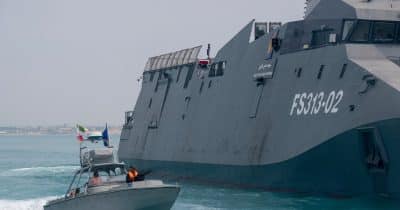
Iran has demanded Bitcoin as payment for transit fees through the Strait of Hormuz following a ship strike incident that prompted naval authorities to raise threat levels. This move signals Iran's strategic pivot toward cryptocurrency amid international sanctions while creating potential market volatility and regulatory complications for the broader crypto ecosystem.
Iran's demand for Bitcoin transit fees represents a significant intersection of geopolitical tension and cryptocurrency adoption. The incident in the Strait of Hormuz, a critical chokepoint controlling approximately 20% of global oil transit, underscores escalating regional instability. Iran's pivot toward Bitcoin specifically targets sanctions circumvention—a longstanding challenge for the Iranian economy. By accepting crypto for strategic services, Iran sidesteps traditional financial channels and SWIFT restrictions, allowing continued international commerce despite Western sanctions regimes.
This development emerges against a backdrop of increasing state-level cryptocurrency adoption driven by sanctions pressure and economic isolation. Venezuela, North Korea, and Russia have similarly explored crypto to bypass financial restrictions. Iran's move signals confidence in Bitcoin's utility as a store of value and medium of exchange despite regulatory headwinds in Western nations.
The market implications are mixed and concerning. Short-term, Bitcoin demand from state actors could theoretically support prices, but the geopolitical risk premium surrounding Iran's actions may deter institutional adoption. Regulatory bodies worldwide view state-sponsored crypto adoption suspiciously, particularly when tied to sanctions evasion, creating compliance risks for exchanges and custodians. The incident also raises questions about whether crypto markets can function under extreme geopolitical duress.
Looking ahead, monitor whether other sanctioned nations formally adopt similar Bitcoin-based payment systems and how Western regulators respond to Iranian crypto activities. The Strait of Hormuz remains vulnerable to escalation, potentially creating sustained demand for Iran's proposed cryptocurrency payment mechanism.
- →Iran demands Bitcoin for Strait of Hormuz transit fees following a ship strike incident and escalated naval threat levels.
- →The move represents Iran's strategic use of cryptocurrency to circumvent international sanctions and SWIFT restrictions.
- →State-sponsored crypto adoption creates regulatory backlash risk and compliance challenges for global crypto exchanges.
- →Geopolitical tensions in the Strait of Hormuz may drive sustained demand for alternative payment systems outside traditional finance.
- →Bitcoin's role as sanctions-evasion infrastructure complicates mainstream institutional adoption narratives.