
Iran demands Israel withdraw from Lebanon as condition for US nuclear deal
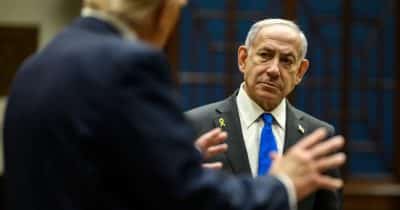
Iran has demanded Israel's withdrawal from Lebanon as a precondition for progressing US-Iran nuclear negotiations. This geopolitical escalation threatens to destabilize Middle East peace efforts and creates uncertainty around oil markets, which historically impacts cryptocurrency volatility and risk asset pricing.
Iran's linkage of Israeli military presence in Lebanon to nuclear deal progress represents a significant hardening of negotiating positions in ongoing diplomatic efforts. This demand signals that regional security concerns now form part of the nuclear discussion framework, complicating what were already challenging talks between Washington and Tehran. The conditioning of nuclear advancement on military withdrawal indicates Iran views these issues as interconnected leverage points rather than separate negotiations.
The historical context reveals escalating Middle East tensions throughout 2024, with periodic flare-ups between Israeli and Iranian-backed forces. Previous rounds of nuclear negotiations foundered on sanctions relief and enrichment limits. By introducing territorial demands, Iran expands the negotiation scope beyond technical nuclear parameters, potentially extending timeline resolution indefinitely.
Crypto and broader financial markets respond sharply to Middle East geopolitical risk. Oil price volatility directly correlates with conflict escalation in the region, influencing macroeconomic conditions that drive institutional capital allocation. Bitcoin and risk assets typically experience downward pressure during heightened geopolitical uncertainty as investors rotate toward safe-haven positions. Energy markets particularly impact inflation expectations and Federal Reserve policy considerations.
Investors should monitor diplomatic developments closely, as breakthrough negotiations could trigger risk-on sentiment benefiting crypto markets, while military escalation would likely compress valuations. The 2015 JCPOA precedent shows nuclear agreements can stabilize energy markets significantly. Current dynamics suggest extended negotiation periods remain probable, maintaining elevated geopolitical risk premiums across asset classes.
- →Iran conditions nuclear deal progress on Israeli military withdrawal from Lebanon, expanding negotiation scope beyond technical parameters.
- →Middle East escalation typically increases oil volatility, which correlates with reduced risk appetite for cryptocurrencies and growth assets.
- →Prolonged diplomatic uncertainty maintains elevated geopolitical risk premiums affecting institutional capital allocation decisions.
- →Previous nuclear deals like the 2015 JCPOA demonstrated significant market stabilization potential once geopolitical risks resolve.
- →Crypto investors should monitor diplomatic developments as breakthoughs could trigger risk-on sentiment while escalation pressures valuations downward.