
Iran denies scheduled visit for IAEA inspectors to bombed nuclear sites
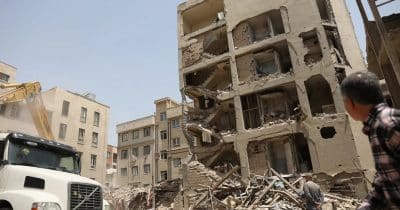
Iran has denied scheduled access to International Atomic Energy Agency (IAEA) inspectors at nuclear sites that were recently bombed, escalating geopolitical tensions in the Middle East. This denial of transparency could undermine diplomatic negotiations and increase global uncertainty, potentially affecting financial markets including cryptocurrency assets sensitive to geopolitical risk.
Iran's refusal to grant IAEA inspectors access to bombed nuclear facilities represents a significant escalation in nuclear transparency disputes and geopolitical tensions. The denial occurs against a backdrop of heightened Middle Eastern instability and raises questions about Iran's nuclear program's true status, complicating ongoing diplomatic efforts to de-escalate regional conflicts.
This development follows a pattern of deteriorating international relations regarding Iran's nuclear activities. The IAEA serves as the UN's primary nuclear watchdog, and access denials undermine the international verification framework that underpins nuclear non-proliferation agreements. Previous restrictions on inspector access have typically coincided with periods of heightened sanctions and international isolation.
From a market perspective, geopolitical instability in the Middle East traditionally creates flight-to-safety dynamics that benefit certain assets while pressuring others. Cryptocurrency markets, despite their decentralized nature, respond to macro geopolitical events as investors reassess risk allocations. Oil price volatility from regional tensions can indirectly influence crypto valuations through broader macroeconomic effects. Additionally, if tensions escalate further, potential sanctions against Iran could create spillover effects on global financial systems.
The coming weeks will be critical in determining whether this denial triggers diplomatic de-escalation or further confrontation. Observers should monitor IAEA statements, US policy responses, and regional military activity. Any escalation could trigger broader market volatility, while diplomatic breakthroughs could reverse recent risk-off sentiment. The situation underscores how geopolitical events remain important macro variables affecting even decentralized financial systems.
- →Iran denied IAEA inspectors scheduled access to recently bombed nuclear sites, blocking international nuclear transparency verification.
- →The denial undermines diplomatic progress and raises concerns about Iran's nuclear program status amid escalating regional tensions.
- →Geopolitical instability in the Middle East historically creates macroeconomic uncertainty affecting cryptocurrency and broader financial markets.
- →Oil price volatility from regional conflicts indirectly influences cryptocurrency valuations through macro economic channels.
- →Further escalation could trigger flight-to-safety dynamics and broader market volatility across multiple asset classes.