
Iran denies delegation in Pakistan for US talks as ceasefire ends
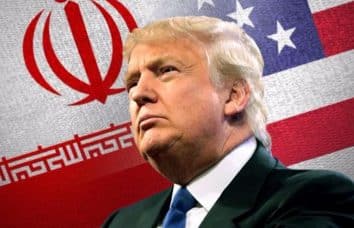
Iran has denied sending a delegation to Pakistan for indirect talks with the US, while simultaneously allowing a ceasefire agreement to expire. This escalation of tensions signals a breakdown in diplomatic efforts and raises the risk of military conflict in the Middle East, with potential implications for global markets and cryptocurrency volatility.
The Iranian government's denial of diplomatic engagement, coupled with the expiration of a ceasefire agreement, marks a critical deterioration in Middle East relations. This development suggests that indirect negotiation channels through Pakistan have been severed, eliminating a key diplomatic avenue that had previously constrained tensions. The simultaneous end of the ceasefire removes structural constraints on military action, creating conditions for rapid escalation.
Historically, Middle East tensions have driven cryptocurrency volatility as investors seek refuge in both traditional safe havens and decentralized assets. Previous escalations involving Iranian tensions have triggered sell-offs in risk assets followed by surges in Bitcoin and gold as hedges against geopolitical uncertainty. The breakdown of diplomatic talks removes the possibility of a near-term de-escalation, fundamentally shifting market expectations.
For cryptocurrency markets, extended geopolitical conflicts typically increase adoption of digital assets in affected regions while creating broader macroeconomic headwinds. Oil price spikes from Middle East instability can drive inflation expectations, affecting Federal Reserve policy and crypto valuations. Investors should monitor whether this escalation translates into broader sanctions regimes that might impact crypto trading infrastructure or exchange operations in affected regions.
The next critical indicators include whether military posturing intensifies, whether additional countries become diplomatically involved, and whether international bodies initiate crisis management protocols. Markets will likely price in an elevated geopolitical risk premium until concrete de-escalation signals emerge.
- →Iran's denial of diplomatic talks signals breakdown in indirect negotiation channels previously constraining regional tensions
- →Ceasefire expiration removes structural limits on military action, increasing conflict escalation risk
- →Middle East geopolitical crises historically trigger cryptocurrency volatility and increased adoption in affected regions
- →Oil price impacts from escalation could influence Fed policy and macroeconomic conditions affecting crypto valuations
- →Monitor international diplomatic intervention and military posturing as key indicators of escalation trajectory