
Iran denies plans to reopen Strait of Hormuz amid ongoing tensions
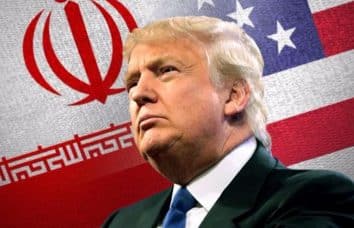
Iran has denied plans to reopen the Strait of Hormuz amid escalating geopolitical tensions, perpetuating an impasse that undermines market confidence and delays potential diplomatic resolutions. The continued instability in this critical shipping chokepoint creates uncertainty for global energy markets and cryptocurrency volatility.
The Strait of Hormuz represents one of the world's most strategically vital maritime passages, with roughly one-fifth of global petroleum trade transiting through its waters annually. Iran's denial regarding reopening plans signals a hardening of positions in an already tense geopolitical standoff, suggesting that diplomatic pathways remain constrained. This deadlock creates a cascading effect across multiple markets: energy prices face upward pressure from supply uncertainty, while broader macroeconomic instability typically drives investors toward alternative asset classes including cryptocurrencies as hedges against traditional market volatility.
Historically, tensions surrounding the Strait of Hormuz have triggered cryptocurrency rallies as investors seek refuge from geopolitical risk. The current situation echoes previous flash points—including 2019's drone strikes and 2020's targeted assassination—that preceded crypto market movements. However, the extended nature of this impasse differs from acute crisis events; prolonged uncertainty can swing investor sentiment unpredictably between risk-on and risk-off positioning.
For cryptocurrency markets specifically, geopolitical instability typically strengthens Bitcoin and other assets perceived as uncorrelated to traditional markets. However, if tensions escalate into military conflict, the resulting global financial stress could trigger broad liquidations across risk assets. Energy price volatility also influences mining economics, particularly for operations in affected regions. Investors should monitor escalation indicators and central bank responses, which may signal broader monetary policy shifts affecting crypto valuations.
- →Iran's denial on Strait of Hormuz reopening deepens geopolitical impasse affecting energy markets and broader financial confidence
- →Prolonged uncertainty around critical shipping chokepoints historically creates safe-haven demand for cryptocurrency assets
- →Energy price volatility from supply concerns influences cryptocurrency mining profitability and operational costs
- →Escalation trajectories matter more than static tensions; watch for military actions or diplomatic breakthroughs
- →Investors should monitor correlation shifts between traditional markets and crypto during extended geopolitical standoffs