
Iran denies plans to target UAE amid regional tensions
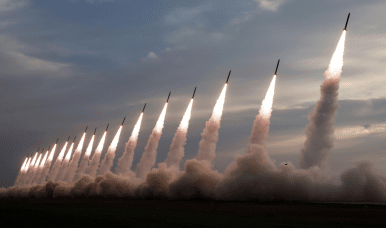
Iran has denied plans to target the UAE amid escalating regional tensions, though market observers remain skeptical about the credibility of these assurances. The denial reflects potential de-escalation rhetoric, yet underlying geopolitical instability continues to create uncertainty for investors and market participants.
Iran's public denial regarding military action against the UAE represents a diplomatic gesture in an increasingly volatile Middle Eastern landscape. Such statements typically emerge when regional tensions reach critical levels, prompting actors to manage international perception and prevent further escalation. The timing suggests Iran may be responding to prior accusations or heightened military posturing, though the lack of detailed corroboration in the article limits full contextual understanding.
Regional tensions between Iran and Gulf states have periodically spiked over the past decade, driven by nuclear negotiations, proxy conflicts in Yemen and Syria, and broader US-Iran relations. The UAE, as a strategic financial hub and cryptocurrency trading center, holds particular significance for digital asset markets. Previous regional crises have triggered cryptocurrency volatility as investors hedge against geopolitical risk and potential disruptions to Middle Eastern financial infrastructure.
Market participants view such geopolitical statements with measured skepticism, as diplomatic denials do not always guarantee stability. Crypto markets remain sensitive to Middle Eastern developments, particularly given the UAE's role as a trading and regulatory hub for digital assets. Elevated regional tensions can drive risk-off sentiment, pushing investors toward safe-haven assets or triggering rapid portfolio rebalancing.
Looking ahead, observers should monitor official statements from both Iranian and UAE authorities, US involvement in regional diplomacy, and any shifts in military positioning. Traders should watch for increased volatility in crypto markets correlated with geopolitical news flow, potential sanctions announcements, or escalation indicators that could disrupt regional financial infrastructure.
- →Iran denies targeting UAE plans, signaling potential de-escalation amid regional tensions
- →Market skepticism persists despite diplomatic denials, reflecting underlying instability concerns
- →UAE's role as a crypto hub makes regional stability directly relevant to digital asset markets
- →Geopolitical tensions in the Middle East historically correlate with cryptocurrency volatility and risk-off trading
- →Investors should monitor official statements and military developments for escalation signals