
Iran signals no rush for US talks, impacting diplomatic market expectations
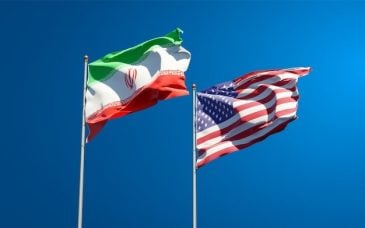
Iran's reluctance to engage in immediate negotiations with the United States signals prolonged diplomatic tensions, creating uncertainty in geopolitical markets. This cautious stance undermines investor expectations for near-term diplomatic breakthroughs and heightens risks to regional stability, with potential ripple effects across commodity prices and risk asset valuations.
Iran's deliberate signaling of no urgency for US talks represents a significant shift in diplomatic messaging that directly impacts market risk assessment. By publicly dampening expectations for quick negotiations, Iranian officials are positioning themselves strategically while simultaneously injecting uncertainty into markets sensitive to geopolitical outcomes. This hesitation suggests either strengthened domestic political positioning, confidence in Iran's current leverage, or fundamental disagreements on negotiation terms that require extended resolution timelines.
Historically, US-Iran relations have driven substantial market volatility, particularly affecting oil prices, regional equities, and broader risk sentiment. Previous diplomatic cycles—including the 2015 JCPOA negotiations and subsequent withdrawal—created pronounced market swings as investors reassessed geopolitical risk premiums. The current Iranian stance suggests markets should prepare for an extended period of elevated uncertainty rather than rapid de-escalation.
For crypto and digital asset markets, geopolitical tensions indirectly influence investor behavior through multiple channels: heightened risk aversion favors defensive assets, potential sanctions affect crypto adoption in targeted regions, and macro uncertainty typically correlates with increased volatility across all asset classes. The diplomatic stalemate extends the period during which investors maintain elevated hedging positions and risk management protocols.
Market participants should monitor Iranian negotiation rhetoric, potential US policy responses, and any sanctions-related developments. Extended diplomatic deadlock typically sustains elevated volatility premiums and encourages capital preservation strategies over aggressive risk-taking.
- →Iran's cautious negotiating stance prolongs diplomatic uncertainty and extends elevated geopolitical risk premiums
- →Extended US-Iran tensions historically correlate with increased volatility across crypto and traditional markets
- →Investors should prepare for sustained uncertainty rather than near-term diplomatic resolution
- →Risk asset valuations may remain pressured until clearer negotiation timelines emerge
- →Geopolitical deadlock typically favors defensive positioning over aggressive market participation