
Iran ready for diplomatic talks to end 2026 conflict, says President Pezeshkian
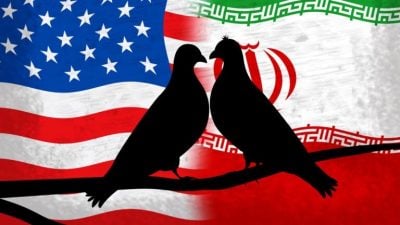
Iran's President Pezeshkian announced the country's willingness to engage in diplomatic negotiations to resolve a 2026 conflict, signaling a potential shift toward peaceful resolution. This development could reduce regional military tensions and stabilize global markets, particularly affecting energy prices and geopolitical risk premiums that influence cryptocurrency volatility.
Iran's diplomatic overture represents a significant shift in Middle East geopolitical positioning, with potential consequences extending beyond traditional political spheres into financial markets. The announcement to pursue talks rather than escalate military tensions addresses underlying regional instability that has persisted since 2015, when earlier diplomatic frameworks faced disruption. This willingness to negotiate could reduce the probability of armed conflict that typically triggers flight-to-safety asset allocations and energy price spikes.
Geopolitical risk has historically created cryptocurrency market volatility, as investors rotate away from traditional markets during periods of elevated tension. Major conflicts or sanctions regimes typically drive capital toward decentralized assets viewed as politically neutral stores of value. Iran's diplomatic overture potentially diminishes this risk catalyst, reducing the "geopolitical premium" that has occasionally boosted Bitcoin and Ethereum valuations during periods of international instability. Oil markets particularly respond to Middle East developments, and stabilization there could lower energy costs globally, affecting inflation expectations and central bank policy trajectories.
For cryptocurrency markets, reduced geopolitical risk generally produces mixed signals. While it eliminates a volatility driver that some traders exploit, it removes the safe-haven appeal during crisis periods. Asset managers weighing exposure to emerging markets and Middle East-focused investments may recalibrate risk positions based on improved diplomatic prospects. Blockchain platforms focusing on cross-border settlement could benefit from reduced sanctions risks if diplomatic progress materializes into formal agreements.
- →Iran's diplomatic readiness signals potential de-escalation of regional conflict, reducing geopolitical risk premiums in global markets.
- →Decreased Middle East tensions typically lower oil price volatility, affecting inflation expectations and monetary policy trajectories.
- →Cryptocurrency's role as geopolitical hedge asset may diminish if lasting peace negotiations materialize and reduce broader market uncertainty.
- →Sanctions-related blockchain solutions and emerging market investments face uncertainty based on pace of actual diplomatic progress.
- →Energy price stabilization from reduced Middle East tensions could support traditional markets over alternative assets seeking safe-haven flows.