
Iran dismisses US statements, casting doubt on April peace deal
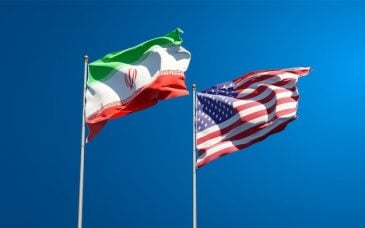
Iran has dismissed US statements regarding a potential April peace deal, signaling deepening diplomatic tensions between the two nations. This development undermines market confidence in near-term geopolitical stability and raises concerns about potential economic disruptions affecting global asset classes, including cryptocurrencies.
The Iranian government's rejection of US diplomatic overtures represents a significant deterioration in already strained bilateral relations. This dismissal suggests that recent negotiations or peace initiatives have failed to gain traction, indicating fundamental disagreements on core issues between Washington and Tehran remain unresolved. The skepticism from Iran's leadership suggests they view US statements as insubstantial or lacking genuine commitment to meaningful dialogue.
Historically, US-Iran tensions have cyclically impacted global markets through crude oil price volatility, currency fluctuations, and risk-on/risk-off sentiment shifts. The April peace deal mentioned likely refers to broader negotiations on nuclear capabilities, sanctions relief, or regional proxy conflicts. When diplomatic channels deteriorate, markets typically price in heightened geopolitical risk premiums, affecting both traditional and digital asset valuations. Cryptocurrency markets, which serve as alternatives during currency instability and sanctions regimes, often experience inflows during periods of US-Iran escalation.
This development impacts investor sentiment across multiple asset classes. Risk-averse traders may rotate toward safe-haven assets including gold and select cryptocurrencies like Bitcoin, while volatile altcoins may face pressure. Oil markets could experience upward pressure if tensions escalate further, affecting energy costs and inflation expectations globally. For crypto investors specifically, this geopolitical friction creates both opportunity and uncertainty—sanctions against Iran have historically driven cryptocurrency adoption in affected regions seeking alternative payment mechanisms.
Market participants should monitor upcoming diplomatic statements, UN actions, and any announcements regarding sanctions escalation. The trajectory of US-Iran relations will likely remain a key macro variable influencing risk asset performance through the remainder of 2024.
- →Iran's dismissal of US peace talks signals deteriorating diplomatic relations and heightened geopolitical risk
- →Geopolitical tensions historically correlate with crude oil volatility and broad market risk-off sentiment
- →Cryptocurrency markets may experience safe-haven inflows if US-Iran tensions escalate further
- →Sanctions regimes historically increase cryptocurrency adoption in affected regions
- →Investors should monitor diplomatic developments as a key macro variable influencing asset valuations