
Iran’s army downs Israeli Orbiter drone over southern Iran amid ceasefire talks
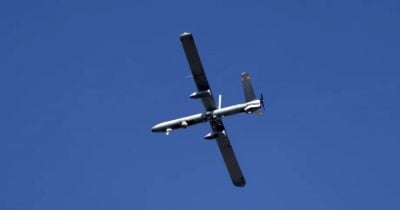
Iran's military shot down an Israeli Orbiter drone over southern Iran during ongoing ceasefire negotiations, escalating tensions in the Strait of Hormuz. The incident underscores geopolitical instability that threatens global oil supply chains and energy markets, with potential ripple effects on cryptocurrency valuations and investor risk sentiment.
The downing of an Israeli surveillance drone by Iranian forces represents a significant escalation in Middle Eastern hostilities, occurring at a critical moment when diplomatic channels remain open. This contradiction between military action and negotiation attempts signals deep mistrust between parties and suggests that ceasefire talks face substantial obstacles. The incident demonstrates Iran's willingness to demonstrate military capability and resolve, potentially signaling to both Israel and international observers that Tehran will not negotiate from a position of weakness.
Historically, Strait of Hormuz tensions have repeatedly destabilized energy markets. The waterway handles approximately one-third of global seaborne oil trade, making it economically vital. Previous incidents involving drone strikes, naval confrontations, and military posturing have triggered oil price spikes and increased hedging demand across commodities markets. The current escalation occurs amid already fragile global energy dynamics, with Europe dependent on diversified supply sources and Asia vulnerable to supply disruptions.
Cryptocurrency markets exhibit high sensitivity to macroeconomic uncertainty and energy cost inflation. Oil price shocks ripple through traditional markets, prompting portfolio rebalancing that often pressures risk assets including crypto. Investors typically seek safe-haven assets during geopolitical crises, potentially creating headwinds for speculative positions. Energy sector stocks and crude futures would likely respond more immediately, but sustained tensions could dampen broader risk appetite.
Monitoring the trajectory of ceasefire negotiations becomes essential. If talks collapse entirely, additional military incidents become more probable, potentially triggering coordinated strikes that could temporarily disrupt oil transit and spike energy costs. Market participants should track diplomatic statements and military activity reports for signs of de-escalation or further provocation.
- →Iran downed an Israeli drone over southern Iran during active ceasefire negotiations, signaling military posturing amid diplomacy.
- →Strait of Hormuz tensions threaten one-third of global seaborne oil trade, creating macroeconomic uncertainty.
- →Oil price volatility from geopolitical crises typically pressures cryptocurrency markets through reduced risk appetite.
- →Ceasefire talks remain ongoing despite escalation, suggesting both sides maintain negotiation channels.
- →Investors should monitor diplomatic progress and military activity for early signs of further destabilization or de-escalation.