
Iran drone attack on UAE site escalates tensions, airspace closure possible
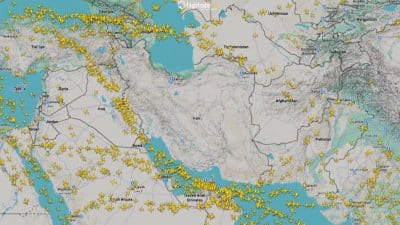
Iran's drone attack on a UAE site has escalated regional military tensions, with potential airspace closures threatening international air travel and economic stability. The escalation carries broader implications for global markets, including cryptocurrency and digital assets, as geopolitical instability historically correlates with flight-to-safety asset movements and supply chain disruptions.
The reported Iranian drone attack on UAE infrastructure represents a significant escalation in Middle Eastern tensions, moving beyond diplomatic posturing into direct military engagement. Such actions signal breakdown in regional de-escalation mechanisms and raise the prospect of airspace closures, which would disrupt critical trade routes and international commerce. The UAE hosts major aviation hubs and serves as a financial center for Middle Eastern crypto and traditional markets, making any sustained closure economically consequential.
This incident reflects broader geopolitical deterioration in the region tied to escalating US-Iran tensions, proxy conflicts, and competing spheres of influence among regional powers. The pattern of tit-for-tat military actions has intensified over recent years, with each escalation raising risks of miscalculation and wider conflict. Previous regional military incidents have prompted swift market reactions, particularly in energy markets and risk assets.
Cryptocurrency markets typically experience volatility during geopolitical crises as investors reassess risk exposure and seek alternative asset classes perceived as geopolitically neutral. Closure of Middle Eastern airspace would disrupt logistics networks and potentially increase energy costs globally, creating inflationary pressures. Digital assets serving as hedges against geopolitical risk may see inflows, while riskier growth assets face headwinds. Crypto exchanges and fintech platforms operating in the UAE would face operational challenges if airspace closures materialize.
Market participants should monitor escalation indicators, airspace closure announcements, and energy market movements. Any further military engagement risks triggering broader regional conflict, which would accelerate safe-haven demand across asset classes including crypto and precious metals.
- →Iran's drone attack on UAE infrastructure marks a significant military escalation with potential airspace closure consequences
- →Regional instability directly impacts financial hubs like the UAE, affecting crypto exchanges and fintech operations
- →Geopolitical crises historically drive cryptocurrency volatility as investors seek alternative asset hedges
- →Airspace closures would disrupt Middle Eastern trade routes and potentially increase global energy and logistics costs
- →Further escalation could trigger broader safe-haven demand across crypto and traditional defensive assets