
Iran deploys drones in Strait of Hormuz amid US-Israeli military campaign
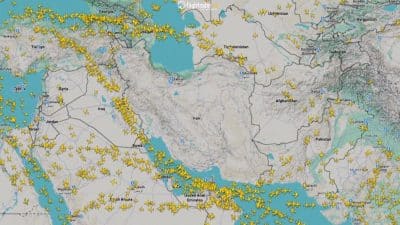
Iran has deployed drones in the Strait of Hormuz amid escalating US-Israeli military operations, raising geopolitical tensions and threatening one of the world's most critical shipping routes. This development creates supply chain risks that could indirectly affect cryptocurrency markets through broader economic instability and energy price volatility.
Iran's drone deployment in the Strait of Hormuz represents a significant escalation in regional military tensions during an already volatile period of US-Israeli military activity. The Strait of Hormuz serves as a chokepoint for approximately 20% of global oil exports, making any disruption to shipping in this corridor a matter of international concern. Iran's action signals a willingness to assert military presence and potentially disrupt commerce in response to perceived threats from Western powers and Israel.
The broader context involves months of escalating tensions following Israeli military operations and American military posturing in the region. These tensions have roots in longstanding geopolitical rivalry, nuclear negotiations, and proxy conflicts across the Middle East. Iran's drone deployment should be understood as both a deterrent posture and a signal of resolve to maintain regional influence despite external pressure.
For cryptocurrency and financial markets, geopolitical instability in the Middle East traditionally creates upward pressure on oil prices and elevated risk premiums across markets. Higher energy costs feed into inflation expectations, which can pressure risk assets including cryptocurrencies. Additionally, sanctions or disruptions to global trade could increase demand for cryptocurrencies as alternative value stores and settlement mechanisms outside traditional financial infrastructure.
Investors should monitor developments in shipping insurance premiums, oil futures, and broader equity market volatility as indicators of escalation severity. If actual shipping disruptions occur, flight-to-safety dynamics could drive capital toward both traditional safe havens and uncorrelated assets like Bitcoin.
- →Iran's drone deployment in Strait of Hormuz threatens critical global shipping infrastructure handling 20% of world oil exports
- →Regional military escalation typically correlates with oil price spikes and elevated macroeconomic uncertainty affecting risk assets
- →Cryptocurrency markets may benefit from geopolitical instability through safe-haven demand and inflation expectations
- →Supply chain disruptions could accelerate adoption of decentralized finance and cross-border payment solutions
- →Investors should monitor oil futures and shipping insurance costs as leading indicators of escalation severity