
Iran threatens ‘new cards’ as US-Iran ceasefire nears expiration
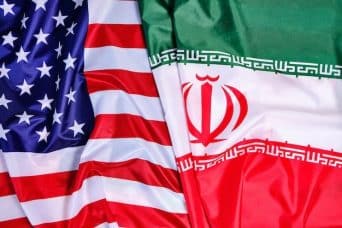
Iran signals it will escalate tensions with unspecified 'new cards' as a US-Iran ceasefire approaches expiration, marking a departure from diplomatic engagement. The threat reduces near-term peace prospects and extends uncertainty around resolution timelines, impacting market expectations for stability.
The Iranian threat represents a critical inflection point in US-Iran relations that directly affects cryptocurrency and broader financial markets. Geopolitical tensions typically drive investors toward safe-haven assets and away from risk exposure, creating volatility across crypto markets as traders reassess exposure to emerging-market assets and anticipate potential sanctions escalation. The vague nature of Iran's threatened response creates information asymmetry—markets hate uncertainty, and without clarity on what 'new cards' entails, participants must price in multiple scenarios ranging from cyber operations to military posturing.
Historically, US-Iran tensions have triggered flight-to-safety dynamics benefiting Bitcoin and precious metals while pressuring riskier assets like altcoins and leveraged positions. Previous sanctions cycles have prompted Iranian entities to increase cryptocurrency adoption as a sanctions-evasion tool, creating secondary demand pressures. The shift from diplomatic positioning to implicit threat signals suggests negotiators view current channels as exhausted, narrowing windows for resolution.
For cryptocurrency markets specifically, escalating geopolitical risk typically strengthens Bitcoin's narrative as a non-correlated hedge against macro instability. However, if tensions trigger broader market selloffs or regulatory responses, crypto correlations with equities may strengthen temporarily. Investors should monitor for secondary effects: potential sanctions on Iranian financial entities could drive regulatory scrutiny of crypto wallets and exchanges processing Iranian-linked transactions.
The coming weeks will reveal whether Iran's rhetoric precedes substantive action or serves as negotiating theater. Market participants should watch for military movements, proxy activity indicators, and official statements from US officials clarifying red lines and response protocols.
- →Iran's escalation threat moves negotiations away from diplomacy toward potential military or cyber confrontation.
- →Geopolitical uncertainty typically drives Bitcoin strength as investors seek safe-haven assets.
- →Vague threats create pricing uncertainty, forcing markets to account for multiple worst-case scenarios.
- →Previous Iran tensions have prompted increased cryptocurrency adoption as sanctions-evasion tool.
- →Watch for secondary regulatory effects if tensions trigger broader market instability or sanctions.