
Iran’s diplomatic push for ceasefire excludes key Gulf states
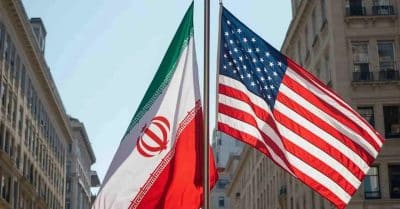
Iran's exclusion of key Gulf states from ceasefire negotiations risks fragmenting regional diplomatic efforts and deepening existing divides. This approach may undermine attempts at unified conflict resolution and complicate broader Middle Eastern stability.
Iran's decision to exclude prominent Gulf states from ceasefire discussions represents a significant setback for multilateral diplomatic engagement in the Middle East. The exclusion of states that hold substantial economic and political influence in the region signals a preference for selective negotiations rather than inclusive dialogue, potentially weakening the legitimacy and enforceability of any resulting agreements. This tactical choice reflects deeper tensions within the Gulf Cooperation Council and broader Middle Eastern geopolitics, where competing interests and historical grievances have long hindered coordinated responses to regional crises.
Historically, Gulf states have played crucial mediating roles in Middle Eastern conflicts, leveraging their economic resources and strategic positions to broker peace. Iran's circumvention of these states suggests either a lack of confidence in their willingness to support Iranian interests or a deliberate strategy to pursue bilateral negotiations with other parties. This approach echoes previous failed diplomatic initiatives where selective participation ultimately limited agreements' reach and sustainability.
For investors and market participants, regional instability creates uncertainty that typically affects energy markets, currency valuations, and risk-on assets in emerging markets. Cryptocurrency markets often experience volatility during geopolitical tensions, particularly affecting assets tied to regional economies or those perceived as hedges against traditional market uncertainty. The absence of collaborative Gulf participation may prolong conflict duration, extending the period of economic disruption and market unpredictability.
Observers should monitor whether excluded states establish parallel negotiation channels, whether Iran expands participation as talks progress, and whether international powers intervene to broaden diplomatic involvement. The trajectory of these negotiations will significantly influence regional stability and associated market dynamics over coming months.
- →Iran excluded key Gulf states from ceasefire talks, potentially weakening negotiation legitimacy and regional buy-in
- →Selective diplomacy reflects deeper tensions within Gulf Cooperation Council and complicates unified conflict resolution
- →Regional instability historically creates volatility in energy markets, currencies, and cryptocurrency valuations
- →Success of narrowly-scoped negotiations may depend on whether excluded states pursue parallel diplomatic channels
- →Extended conflicts resulting from fragmented diplomacy typically prolong economic disruption and market uncertainty