
Iran tightens control over Strait of Hormuz, excludes Israeli ships
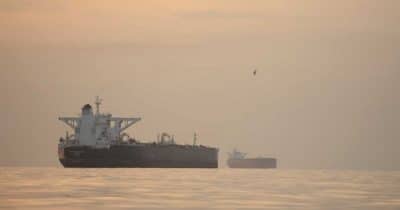
Iran has intensified control over the Strait of Hormuz by excluding Israeli vessels, raising geopolitical tensions in a critical global shipping corridor. This escalation risks military intervention and disruption to international trade routes, with potential consequences for energy prices and market stability.
Iran's tightening grip on the Strait of Hormuz represents a significant geopolitical escalation with far-reaching economic implications. The exclusion of Israeli ships signals a deliberate policy shift that could trigger retaliatory actions from Israel, the U.S., or allied nations seeking to maintain freedom of navigation through one of the world's most strategically vital waterways. Approximately 20% of global oil passes through this chokepoint, making Iranian actions directly relevant to energy markets and downstream economic activity.
This development reflects broader Middle East tensions stemming from longstanding Israeli-Iranian hostilities and regional power dynamics. The move aligns with Iran's historical strategy of leveraging geographic advantages during periods of political friction, though the explicit targeting of Israeli shipping represents a notably aggressive posture. Previous incidents in the Strait have included ship seizures and tanker attacks, establishing a pattern of escalatory behavior.
For crypto and financial markets, Strait of Hormuz disruptions create inflationary pressure through elevated oil prices, typically strengthening assets perceived as inflation hedges like Bitcoin. Institutional investors monitor Persian Gulf tensions closely as geopolitical risk premiums directly impact energy costs, which cascade through supply chains and influence central bank monetary policy. Sustained tensions could drive volatile commodity markets and increase demand for assets uncorrelated to traditional markets.
Investors should watch for military responses, international diplomatic efforts, and any actual shipping disruptions. Escalation beyond rhetoric could trigger oil price spikes that ripple through equity and crypto markets, while successful de-escalation would reduce geopolitical risk premiums and support risk-on sentiment.
- →Iran has implemented a policy excluding Israeli ships from the Strait of Hormuz, a critical global shipping corridor carrying 20% of world oil trade.
- →Escalation risks military intervention from Israel, the U.S., or allied nations attempting to maintain freedom of navigation.
- →Disruptions to energy supplies would drive inflation and increase demand for alternative assets like cryptocurrencies.
- →Previous Iranian actions in the Strait have included ship seizures and tanker attacks, establishing a concerning pattern.
- →Crypto markets typically benefit from elevated geopolitical risk premiums that strengthen inflation-hedge assets.