
Iran executes protest figures amid rising unrest and internet crackdown
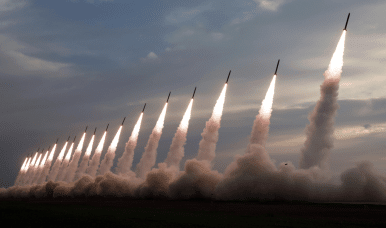
Iran's execution of protest figures and intensified internet crackdown signal deepening political instability within the regime. Analysts suggest these escalating measures may indicate heightened vulnerability, potentially increasing the likelihood of significant regime change by mid-2024.
Iran's execution of protest figures represents a critical escalation in the regime's response to sustained civil unrest. The concurrent implementation of an internet crackdown demonstrates the government's attempt to suppress information flow and prevent coordination among dissidents. These dual tactics—physical repression and digital isolation—suggest authorities perceive a genuine threat to regime stability that cannot be managed through conventional means alone.
The broader context reveals months of accumulating pressure on the Iranian government following large-scale protests that mobilized significant portions of the population. The regime's willingness to execute protesters marks a departure from previous containment strategies, indicating desperation rather than confidence. When authoritarian governments resort to maximum force while simultaneously severing digital connectivity, it typically reflects internal assessments that institutional control is eroding faster than anticipated.
For cryptocurrency markets and blockchain communities, internet restrictions in major nations create both risks and opportunities. Iranians increasingly view decentralized digital assets as hedges against currency devaluation and regime-imposed financial controls. However, intensified censorship may temporarily disrupt trading and transaction flows from the region. The broader geopolitical instability surrounding potential regime change could trigger broader Middle Eastern tensions affecting global energy markets and risk sentiment.
Investors should monitor developments carefully, as significant political upheaval in Iran could reshape regional dynamics. The combination of popular discontent, authoritarian escalation, and digital restrictions historically precedes major political transitions. Markets typically experience volatility during such periods, particularly for assets sensitive to geopolitical risk and those viewed as alternative stores of value in unstable regions.
- →Iran's execution of protesters and internet shutdown suggest regime perceives acute stability threats requiring maximum control measures.
- →Escalating repression often precedes regime transitions, making geopolitical risk assessment critical for market participants.
- →Internet restrictions increase demand for decentralized finance and non-state-controlled digital assets in affected regions.
- →Potential Iranian instability could impact Middle Eastern geopolitics and global risk sentiment affecting cryptocurrency volatility.
- →Investors should monitor Iran developments as potential triggers for broader market movements in risk-off environments.