
Iran executes political prisoner amid international scrutiny on human rights
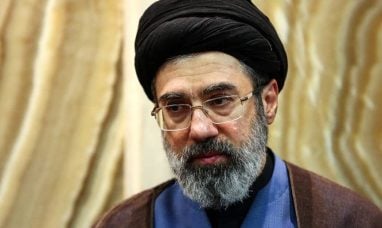
Iran has executed a political prisoner, drawing international condemnation and increasing diplomatic pressure on the regime. The event highlights ongoing human rights concerns and may trigger geopolitical tensions that could indirectly affect global markets and crypto adoption in sanction-affected regions.
Iran's execution of a political prisoner represents a significant escalation in its treatment of dissidents and directly contradicts international humanitarian norms. This action occurs amid heightened scrutiny from human rights organizations and Western governments, potentially catalyzing stronger diplomatic responses including expanded sanctions frameworks. The execution demonstrates the regime's willingness to defy international pressure, signaling domestic instability and limited concern for external criticism.
Iran's human rights record has long been a flashpoint in international relations. Previous executions and political repression have contributed to cycles of sanctions and counter-sanctions, destabilizing the country's economy and pushing citizens toward alternative financial systems. The regime's defiance despite international attention suggests deepening entrenchment rather than policy reform.
For crypto markets and decentralized finance, this development has indirect but meaningful implications. Populations in heavily sanctioned nations increasingly turn to cryptocurrencies to circumvent capital controls and preserve wealth amid currency instability. Iran's demonstrated resistance to international pressure may further accelerate cryptocurrency adoption among Iranian citizens seeking financial autonomy. Additionally, geopolitical tensions stemming from human rights violations historically precede broader sanctions regimes that restrict traditional financial channels, creating conditions favorable for crypto adoption.
Market participants should monitor whether this execution triggers additional Western sanctions or multilateral responses. Escalating geopolitical tensions typically increase volatility and safe-haven demand for digital assets. The broader trajectory of Iran's international relations will shape both crypto adoption patterns in the region and general market sentiment toward geopolitically-sensitive assets.
- →Iran's execution intensifies international pressure and signals regime resistance to diplomatic influence
- →Human rights crises in sanctioned nations historically accelerate cryptocurrency adoption by local populations
- →Geopolitical escalation could trigger additional sanctions, restricting traditional finance and boosting crypto demand
- →Market volatility may increase as tensions between Iran and Western powers deepen
- →Investors should monitor sanctions developments for indirect effects on crypto adoption and pricing