
Iran reimposes control over Strait of Hormuz, fires on tanker
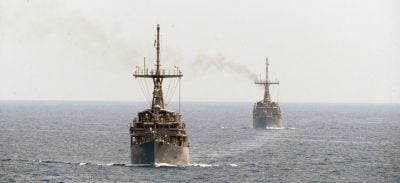
Iran has reasserted control over the Strait of Hormuz and fired on a tanker, escalating geopolitical tensions in a critical global energy chokepoint. This action raises concerns about regional stability and potential disruptions to oil supplies, which traditionally influences cryptocurrency market volatility and risk sentiment across digital assets.
Iran's military action in the Strait of Hormuz represents a significant escalation in regional tensions affecting one of the world's most strategically important waterways. Approximately one-third of global maritime oil trade flows through this strait, making Iranian actions directly relevant to energy markets and broader macroeconomic conditions that influence cryptocurrency valuations. The incident signals deteriorating diplomatic relations and increased military posturing in the Middle East, factors that historically correlate with elevated geopolitical risk premiums across financial markets.
This escalation occurs within a broader pattern of Iranian assertiveness and regional proxy conflicts. Rising tensions have periodically disrupted energy markets over the past decade, with previous incidents triggering sharp oil price movements. Such volatility typically drives investors toward safe-haven assets, including gold and, increasingly, Bitcoin as a non-correlated hedge against geopolitical uncertainty and currency devaluation concerns.
For cryptocurrency markets specifically, escalating geopolitical crises tend to create flight-to-safety dynamics that can benefit Bitcoin and stablecoins as investors seek assets beyond traditional financial system exposure. However, sustained oil price spikes also risk triggering inflation concerns and monetary policy responses that could pressure risk assets. Energy market disruptions similarly affect transaction costs and mining profitability for proof-of-work networks dependent on electricity availability.
Market participants should monitor whether this incident triggers sustained oil price volatility or remains an isolated provocation. Escalation toward broader regional conflict or international intervention would significantly reshape macro conditions influencing digital asset valuations and risk appetite across cryptocurrency markets.
- →Iran's firing on a tanker in the Strait of Hormuz disrupts a critical global energy chokepoint affecting one-third of maritime oil trade.
- →Geopolitical escalation typically triggers flight-to-safety demand for non-correlated assets including Bitcoin and gold.
- →Oil price volatility stemming from regional tensions can influence mining profitability and transaction costs for blockchain networks.
- →Sustained Middle East instability risks triggering inflation concerns and monetary policy responses that pressure risk assets.
- →Cryptocurrency investors should monitor whether tensions escalate further or stabilize to assess longer-term macro impacts on digital asset valuations.