
Iran demands framework for US talks, complicating negotiation timeline
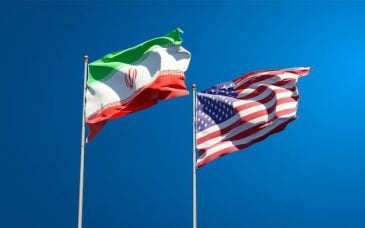
Iran has demanded a formal framework for negotiations with the United States, a precondition that complicates the diplomatic timeline and raises uncertainty around potential peace agreements. This development is dampening market sentiment in sectors tied to geopolitical risk, particularly affecting assets sensitive to US-Iran tensions and sanctions dynamics.
Iran's insistence on establishing a negotiation framework before substantive talks begin represents a significant procedural hurdle in US-Iran relations. This demand reflects Iran's negotiating posture—seeking structural commitments and mutual concessions before engaging on core issues. The move signals that Tehran views the current diplomatic momentum as insufficient to proceed without formal guardrails, potentially extending negotiations indefinitely or creating deadlock scenarios.
Historically, US-Iran relations have hinged on major geopolitical events: the 2015 JCPOA agreement, the 2018 US withdrawal under the Trump administration, and subsequent sanctions escalations. The current framework demand echoes past Iranian tactics of conditioning engagement on predetermined terms, suggesting deep mistrust persists despite recent diplomatic overtures. This pattern indicates structural obstacles remain unresolved.
Markets tied to sanctions relief and normalizations—including oil, shipping, and blockchain-based trade finance solutions—face increased uncertainty. Cryptocurrency markets sensitive to geopolitical risk premiums, particularly those operating in Iran or serving sanctions-adjacent markets, may experience volatility. Investors tracking macro-risk assets and emerging-market exposure should monitor whether this framework demand signals genuine negotiation or posturing.
The next critical milestone involves whether the US accepts Iran's preconditions or counters with its own framework demands. Extended negotiations reduce near-term probability of sanctions relief, potentially supporting oil prices while dampening optimism around normalized trade and cross-border financial flows. Traders should watch for official statements from both parties indicating movement or entrenchment.
- →Iran's framework demand creates procedural delays that extend the negotiation timeline and increase deal uncertainty.
- →Geopolitical risk premiums may increase across energy, emerging-market assets, and sanctions-sensitive cryptocurrency exposure.
- →The move reflects historical patterns of conditional Iranian engagement, suggesting deep structural mistrust persists.
- →Oil prices and cross-border trade finance assets face directional headwinds from prolonged negotiation uncertainty.
- →Markets should monitor official responses from Washington to assess whether genuine progress or stalemate looms.