
Iran halts Geneva nuclear talks trip amid Israeli operations in Lebanon
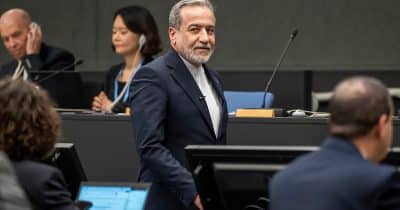
Iran has suspended its delegation's trip to Geneva for nuclear talks in response to Israeli military operations in Lebanon, highlighting deepening regional tensions. This diplomatic pause threatens to derail U.S.-Iran negotiations and compounds uncertainty in Middle Eastern geopolitics, with potential ripple effects on global markets and energy stability.
Iran's decision to halt its Geneva nuclear delegation represents a critical juncture in already fraught U.S.-Iran relations. The move signals that regional security concerns now take precedence over nuclear diplomacy, effectively pausing multilateral negotiation efforts at a sensitive moment. This escalation reflects the interconnected nature of Middle Eastern conflicts, where Israeli-Lebanese tensions directly influence nuclear diplomacy timelines and strategic calculations in Tehran.
The broader context involves years of stalled nuclear negotiations following the U.S. withdrawal from the JCPOA in 2018. Successive attempts to revive dialogue have faced mounting obstacles, from domestic political pressures to regional militarization. Israel's operations in Lebanon introduce a new variable that Iranian leadership views as incompatible with productive diplomatic engagement, suggesting that military and political considerations now dominate Iranian decision-making over economic incentives from normalized relations.
For cryptocurrency and blockchain markets, geopolitical instability traditionally correlates with capital flight toward safe-haven assets like Bitcoin, though direct causality remains debated. Oil price volatility stemming from Middle Eastern tensions has historically influenced broader market sentiment and risk appetite. Energy market uncertainty could redirect capital allocation strategies among institutional investors, potentially affecting asset correlations across crypto and traditional markets.
Observers should monitor whether this diplomatic pause becomes permanent or temporary. Escalation could trigger broader sanctions regimes affecting Iran's economy and cryptocurrency adoption patterns, while de-escalation could restore diplomatic momentum. The timeline for resumed negotiations and any statements from U.S. or European mediators will serve as key indicators of whether this represents a tactical pause or strategic realignment in regional power dynamics.
- →Iran suspended its nuclear talks delegation due to Israeli operations in Lebanon, pausing multilateral diplomatic efforts.
- →The move reflects prioritization of regional security concerns over economic benefits from nuclear deal normalization.
- →Geopolitical escalation typically increases demand for safe-haven assets and introduces volatility into energy markets.
- →Cryptocurrency markets may experience indirect effects through oil price swings and broader risk-asset sentiment shifts.
- →Future diplomatic progress depends on de-escalation signals from key regional actors and international mediators.