
Iran halts negotiations amid Israeli military actions in Lebanon
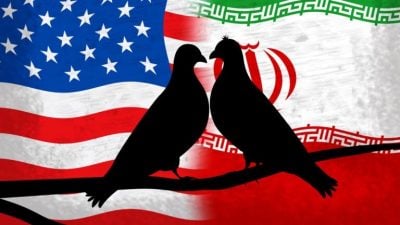
Iran has halted negotiations following Israeli military operations in Lebanon, escalating regional tensions and undermining diplomatic efforts. This geopolitical deterioration raises systemic risks that could affect global markets, including cryptocurrency and digital assets sensitive to macroeconomic instability.
The suspension of Iranian negotiations represents a critical escalation in Middle Eastern tensions, directly stemming from Israeli military actions in Lebanon. This diplomatic breakdown signals a shift away from dialogue-based conflict resolution toward military posturing, which historically precedes broader regional instability. The timing compounds existing geopolitical risk premiums already priced into global markets.
This conflict stems from longstanding Israeli-Iranian proxy tensions, with Lebanon serving as a strategic flashpoint where Hezbollah maintains significant influence. Previous negotiation rounds had offered tentative pathways toward de-escalation, but military incidents have repeatedly derailed progress. The current halt suggests decision-makers on both sides prioritize military leverage over diplomatic compromise, a pattern that typically extends conflicts rather than resolves them.
For cryptocurrency and digital asset markets, regional conflicts create volatility through multiple transmission channels. Oil price spikes result from supply uncertainty, which correlates with risk-off sentiment affecting crypto valuations. Additionally, broader macroeconomic uncertainty—including potential intervention by global powers—can trigger liquidity events and margin liquidations across exchanges. Bitcoin and other assets have historically declined during geopolitical crises as investors flee toward traditional safe havens like government bonds and gold.
Market participants should monitor three indicators: escalation trajectories involving additional military actors, oil price responses exceeding $90 per barrel, and shifts in risk asset correlations. Extended negotiations pauses typically precede either conflict intensification or surprise diplomatic breakthroughs. The crypto market's sensitivity to macro shocks means this situation warrants active portfolio monitoring rather than panic responses.
- →Iran's negotiation halt follows Israeli military operations in Lebanon, signaling deteriorated diplomatic prospects.
- →Regional conflict escalation historically triggers oil price volatility and risk-off sentiment affecting crypto markets.
- →Geopolitical uncertainty increases correlation between Bitcoin and traditional risk assets during periods of instability.
- →Extended negotiation pauses typically precede either further militarization or unexpected diplomatic settlements.
- →Market participants should monitor oil prices, broader macro sentiment shifts, and central bank policy responses.