
Iran halts diplomatic talks with Pakistan, stalling US-Iran negotiations
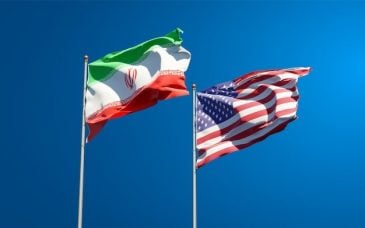
Iran has halted diplomatic talks with Pakistan, creating a significant setback for potential US-Iran negotiations and regional reconciliation efforts. This diplomatic breakdown threatens to destabilize the Middle East and complicate international relations, with potential ripple effects on global markets and geopolitical tensions.
Iran's decision to suspend diplomatic talks with Pakistan represents a critical juncture in Middle Eastern geopolitics. Pakistan has historically served as an intermediary in US-Iran relations, leveraging its relationships with both parties to facilitate dialogue. The breakdown of these talks signals deteriorating conditions for any near-term reconciliation between Washington and Tehran, potentially escalating regional tensions that have been simmering since the 2015 nuclear deal's collapse and subsequent US withdrawal in 2018.
This diplomatic stall emerges amid broader Middle Eastern instability, including ongoing Israeli-Palestinian tensions, proxy conflicts across Iraq and Syria, and competing regional interests from Saudi Arabia, UAE, and other Gulf states. Pakistan's inability or unwillingness to maintain its intermediary role suggests either external pressure on Islamabad or fundamental disagreements between Iran and the US that Pakistan cannot bridge. The timing coincides with broader geopolitical realignment in the region, where traditional alliances are being tested.
For cryptocurrency and financial markets, geopolitical instability directly impacts risk sentiment and capital allocation. Increased Middle Eastern tensions historically correlate with elevated oil prices, inflation concerns, and flight-to-safety asset purchases, which can influence cryptocurrency volatility and investor positioning. Bitcoin and other risk assets often face selling pressure during geopolitical crises as investors rotate toward traditional safe havens like US treasuries and gold.
Market participants should monitor escalation indicators including military posturing, sanctions announcements, or retaliatory actions from either side. Any significant escalation could trigger sharp volatility across equities, commodities, and cryptocurrency markets, particularly affecting energy-dependent economies and emerging market assets.
- →Iran suspends Pakistan-mediated talks, blocking potential pathways to US-Iran reconciliation
- →Diplomatic breakdown increases Middle Eastern geopolitical risk and regional instability
- →Geopolitical crises typically trigger flight-to-safety dynamics affecting crypto asset classes
- →Oil price volatility and inflation concerns may intensify from sustained diplomatic tensions
- →Market participants should monitor escalation signals and their cascading effects on risk assets