
Iranian Revolutionary Guard Corps Navy halts US oil tanker in Strait of Hormuz after firing warning shots
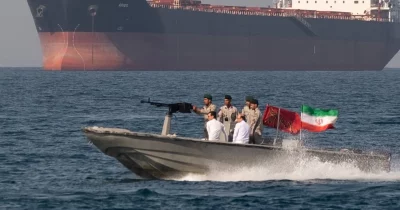
Iran's Revolutionary Guard Corps Navy intercepted a US oil tanker in the Strait of Hormuz, firing warning shots during the incident. The confrontation escalates geopolitical tensions in a critical global energy chokepoint, with potential implications for oil market stability and broader US-Iran relations.
The Iranian Revolutionary Guard Corps Navy's interception of a US oil tanker represents a direct military confrontation in one of the world's most strategically important waterways. The Strait of Hormuz channels approximately 21% of global petroleum trade, making any disruption to shipping in this region a matter of significant economic consequence. The firing of warning shots signals an escalation beyond routine naval posturing and suggests heightened operational aggression.
This incident occurs within a broader pattern of US-Iran tensions that have intensified since the 2018 US withdrawal from the nuclear agreement. Previous maritime confrontations in the Persian Gulf have become increasingly common, with both nations conducting aggressive naval operations and periodic seizures of commercial vessels. The historical context reveals a cycle of provocation and counter-provocation that destabilizes the region despite attempts at diplomatic resolution.
For energy markets and cryptocurrency investors, geopolitical crises in critical oil-producing regions typically trigger commodity price spikes and increased market volatility. Oil price surges can drive inflation expectations, influencing broader macroeconomic policy and potentially benefiting hard assets like Bitcoin as inflation hedges. Conversely, global instability creates risk-off sentiment that can pressure equities and cryptocurrencies alike. The cryptocurrency market, sensitive to macro conditions and risk appetite, may experience increased volatility if these tensions escalate further.
Monitoring developments in US-Iran relations remains essential for market participants. Additional maritime incidents, new sanctions announcements, or diplomatic escalations could spark significant oil price movements and cascading effects across global financial markets. The situation warrants attention from investors exposed to energy commodities and those concerned with broader macroeconomic stability.
- →Iranian IRGC Navy intercepted a US oil tanker in the Strait of Hormuz with warning shots fired, escalating military tensions.
- →The Strait of Hormuz handles 21% of global petroleum trade, making disruptions highly consequential for energy markets.
- →Escalating US-Iran confrontations may trigger oil price volatility and influence broader cryptocurrency market sentiment.
- →The incident reflects ongoing geopolitical instability following the 2018 nuclear agreement withdrawal.
- →Investors should monitor further maritime incidents and diplomatic developments for potential macroeconomic impacts.