
Iran suspends US negotiations over Israeli attacks in Lebanon, rattling crypto markets
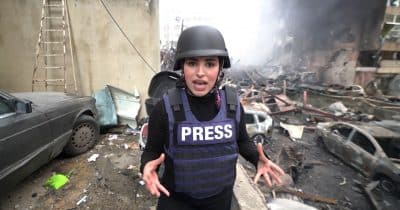
Iran has suspended nuclear negotiations with the US following Israeli military operations in Lebanon, escalating Middle East tensions and triggering volatility in global markets including cryptocurrencies. The geopolitical crisis is reshaping risk assessments across energy markets and prompting reassessment of crypto compliance frameworks and investment allocations.
The suspension of US-Iran negotiations represents a significant escalation in Middle East geopolitical tensions that extends beyond traditional diplomacy into financial markets. Israeli military actions in Lebanon have prompted Iran to withdraw from diplomatic engagement, removing a stabilizing factor in regional relations and raising uncertainty around potential broader conflict scenarios. This breakdown in negotiations eliminates near-term prospects for sanctions relief or normalized trade relationships that had been priced into various market assumptions.
Historically, geopolitical crises in the Middle East correlate with energy market disruptions and safe-haven asset flows. Oil price volatility typically follows regional escalation, which indirectly impacts cryptocurrency markets through macroeconomic sentiment shifts and risk-off positioning. Previous instances of Iran-US tension have coincided with crypto market volatility as investors reassess portfolio hedges and geopolitical risk exposure. The suspension of talks eliminates diplomatic off-ramps that markets rely upon for de-escalation scenarios.
For the cryptocurrency sector specifically, this tension creates dual pressures. Risk-off sentiment may drive investors toward traditional safe havens like US Treasuries and gold, potentially reducing crypto allocation in diversified portfolios. Simultaneously, investors in jurisdictions facing secondary sanctions exposure or those seeking to hedge currency risk may increase crypto holdings as a non-traditional store of value outside traditional banking channels. Compliance frameworks may tighten as regulators reassess sanctions-related screening procedures for crypto exchanges handling Iran-adjacent transactions or broader OFAC-targeted entities.
- →Iran's suspension of US negotiations eliminates diplomatic pathways and increases regional conflict risk.
- →Middle East escalation historically triggers energy market volatility with spillover effects into crypto sentiment.
- →Cryptocurrency exchanges may face heightened compliance pressure and sanctions screening due to geopolitical risk.
- →Risk-off market positioning could reduce crypto allocations among institutional investors seeking traditional safe havens.
- →Crypto's non-custodial nature positions it as a hedge for investors in regions facing secondary sanctions exposure.