
Iran hardliners gain influence, hindering US diplomatic talks
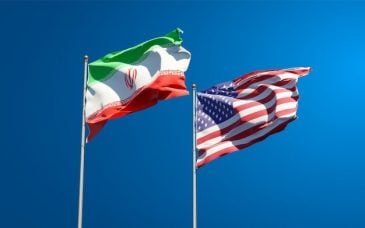
Iran's hardliner faction is consolidating political influence, creating obstacles to diplomatic negotiations with the United States. This shift threatens regional stability and may complicate future bilateral relations, with potential ripple effects on global markets and geopolitical risk premiums.
The ascendancy of hardline factions within Iran's political structure represents a significant shift in the country's diplomatic posture. Hardliners traditionally oppose engagement with Western powers and favor a more confrontational approach to foreign policy. This internal power realignment directly impacts the feasibility of diplomatic breakthroughs that could resolve longstanding tensions between Washington and Tehran.
Historically, US-Iran relations have oscillated between periods of tension and attempted rapprochement, most notably through the Joint Comprehensive Plan of Action (JCPOA) signed in 2015. The agreement's subsequent collapse and reimposition of sanctions demonstrated how domestic political shifts can unravel international agreements. The current strengthening of hardliner influence suggests a similar cycle may be repeating, with moderates losing ground in Iran's power structure.
From a market perspective, rising geopolitical tensions between Iran and the US traditionally increase volatility across multiple asset classes. Oil markets respond to perceived supply disruption risks, while broader equities and risk assets face headwinds from elevated geopolitical uncertainty. Cryptocurrency markets, particularly those exposed to sanctions-related trading or regional risk factors, may experience increased volatility as investors reassess tail-risk exposure.
Looking ahead, investors should monitor developments in Iranian leadership statements, nuclear program activity, and any escalations in regional military posturing. Signs of diplomatic de-escalation or further hardening of Iranian positions will be critical indicators for adjusting geopolitical risk premiums across portfolios.
- →Iran's hardliner political faction is gaining influence, reducing prospects for near-term US diplomatic engagement
- →Historical precedent suggests hardliner dominance correlates with heightened international tensions and sanctions risk
- →Geopolitical uncertainty typically increases volatility in oil, equities, and risk assets including cryptocurrencies
- →Investors should track Iranian leadership rhetoric and nuclear program developments as key risk indicators
- →Previous diplomatic collapses like the JCPOA suggest current dynamics could lead to renewed tensions and market disruption