
Iran formalizes Hormuz control, impacting US blockade and oil price markets
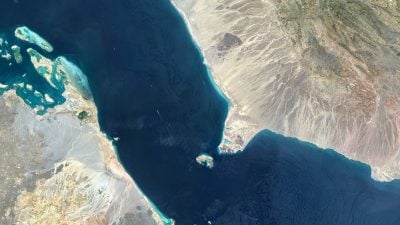
Iran has formalized its control over the Strait of Hormuz, a critical chokepoint through which approximately 21% of global petroleum passes. This development raises geopolitical tensions and poses significant risks to global oil supply stability and pricing, with potential cascading effects on energy markets and broader economic conditions.
Iran's formalization of Hormuz control represents a significant escalation in regional geopolitical tensions with far-reaching implications for global energy markets. The Strait of Hormuz serves as one of the world's most critical maritime passages, and any disruption to transit through this chokepoint directly threatens energy security for importing nations worldwide. This action consolidates Iran's strategic position in the Persian Gulf and signals a hardening stance regarding regional influence and Western sanctions.
Historically, the Strait of Hormuz has been a flashpoint for international conflict, with previous incidents including tanker seizures and shipping disruptions. Iran's formalization of control builds on years of escalating tensions with the United States and its allies, particularly following the 2018 withdrawal from the nuclear deal and subsequent sanctions reimposition. This action reflects Iran's strategic calculation that asserting territorial claims strengthens its negotiating position amid economic pressure.
For energy markets, the risk premium on crude oil prices increases substantially when supply chain vulnerabilities are highlighted. Oil price volatility directly impacts inflation, transportation costs, and broader macroeconomic conditions that influence risk asset valuations, including cryptocurrencies. During periods of geopolitical tension, investors typically seek safe-haven assets, which can create divergent effects across crypto markets depending on whether digital assets are viewed as risk-on or defensive holdings.
Market participants should monitor shipping reports, tanker tracking data, and OPEC production statements for early warning signals of disruption. Further escalation could trigger oil price spikes exceeding $100 per barrel, materially affecting global growth expectations and triggering portfolio rebalancing across equities, bonds, and alternative assets.
- →Iran's formalized Hormuz control creates supply disruption risk affecting 21% of global petroleum trade.
- →Geopolitical escalation typically increases crude oil volatility and risk premiums across energy markets.
- →Oil price spikes above $100/barrel would impact inflation, growth expectations, and asset allocations globally.
- →Cryptocurrencies may experience volatility as investors reassess risk-on positioning during geopolitical crises.
- →Monitoring shipping data and OPEC statements provides early indicators of actual supply disruption versus posturing.