
Iran says deal ‘far off’ as Hormuz Strait remains closed
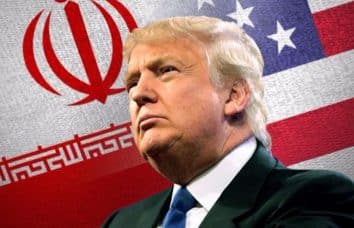
Iran's closure of the Strait of Hormuz continues with negotiations described as 'far off,' escalating geopolitical tensions that reverberate through global oil markets and international trade. This prolonged blockade creates macroeconomic uncertainty that indirectly affects cryptocurrency and digital asset valuations through broader market volatility.
The persistent closure of the Strait of Hormuz represents a critical flashpoint in Middle Eastern geopolitics with cascading effects across global financial markets. Through this chokepoint passes approximately 20% of world oil trade, making its blockade a matter of significant economic consequence. Iran's assertion that a diplomatic resolution remains distant signals that market participants should prepare for extended supply disruptions rather than imminent de-escalation.
Historically, geopolitical tensions affecting energy markets have triggered macro-level economic uncertainty that influences cryptocurrency behavior. When oil prices spike due to supply constraints, inflation expectations rise, central banks signal tighter monetary policy, and risk-off sentiment pervades asset markets. Cryptocurrency markets, sensitive to macroeconomic conditions and risk appetite, typically decline during periods of acute geopolitical stress as investors retreat to traditional safe havens.
The economic impact extends beyond oil directly. Extended closure of Hormuz elevates shipping costs, increases inflation pressures, and may prompt emergency strategic reserve releases. These dynamics compress margin expectations across sectors and reduce overall market liquidity. For cryptocurrency investors, this environment creates headwinds through reduced leverage availability and increased liquidation risks during volatile periods.
Market participants should monitor three indicators: official statements regarding diplomatic progress, oil price movements and volatility spikes, and broader equity market correlation patterns. If tensions persist beyond current timelines, expect cryptocurrency markets to track risk-off sentiment more closely, potentially decoupling from narrative-driven rallies.
- →Strait of Hormuz closure directly constrains 20% of global oil trade, creating supply-side inflationary pressure
- →Iran's 'far off' negotiation timeline suggests prolonged rather than near-term resolution to the blockade
- →Geopolitical energy disruptions historically trigger risk-off sentiment that pressures cryptocurrency valuations
- →Extended closure elevates shipping costs and inflation expectations, potentially prompting tighter monetary policy
- →Cryptocurrency traders should monitor oil volatility and equity market risk sentiment as leading indicators